Motorcycle Distributor Strategy: How to Build a Profitable Motorcycle Product Line
In the past few years, the motorcycle market has shown a constant trend of growth. Regardless of whether the purpose for using a motorcycle is for traveling or for entertainment, the varied demands from customers have made this market full of business potential. For those entrepreneurs who are interested in entering the motorcycle market, it is of vital importance for them to know the profit model of motorcycle distributors. In the following article, we will focus on the profitable motorcycle product lines and discuss the balanced motorcycle product strategy for dealers.
Motorcycle Market Segments and Product Categories
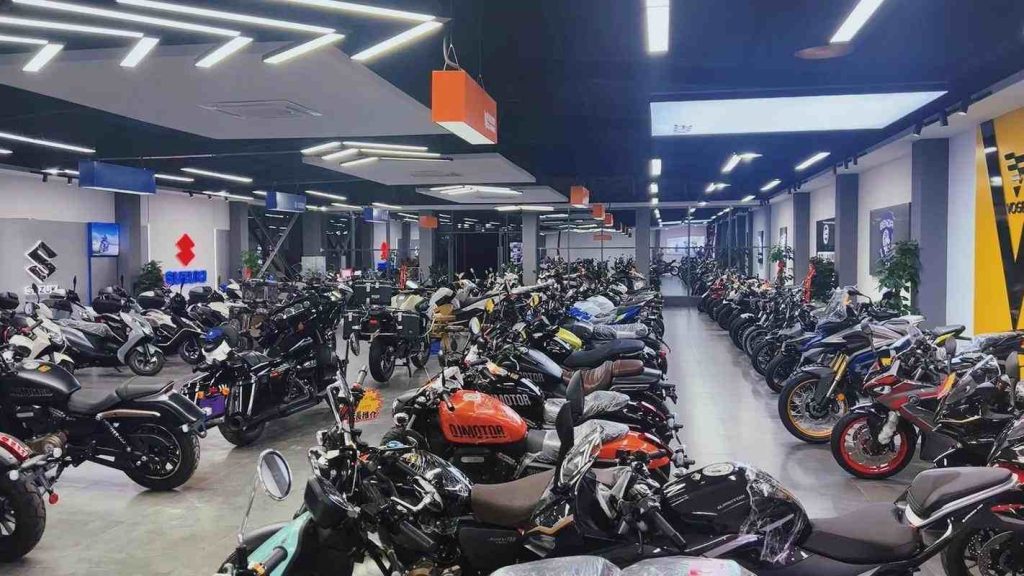
Before choosing the models for the product portfolio, the distributors must be aware of the various segments of the rider population for the motorcycle industry. The riders’ preferences differ according to the type of engine, riding style, and price. The motorcycle type must be matched with the segments to create a balanced portfolio.
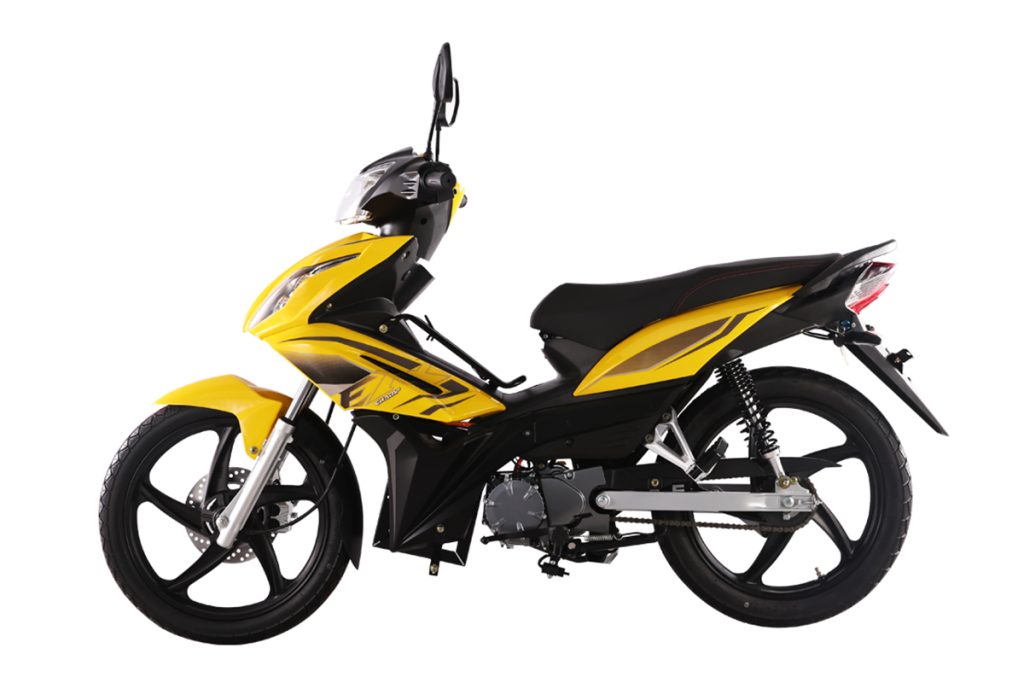
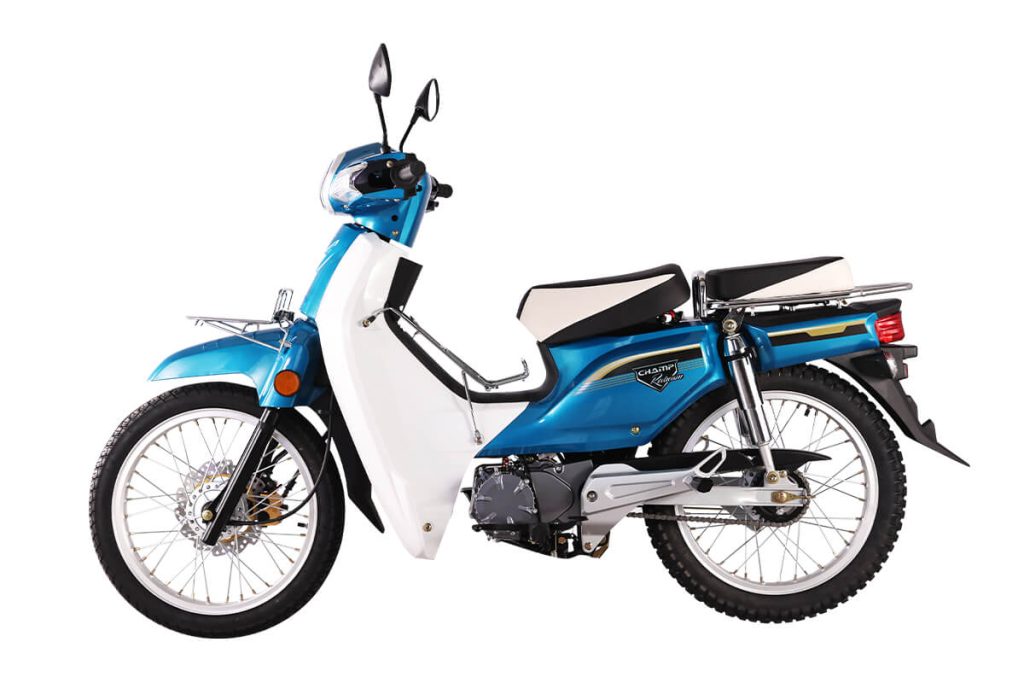
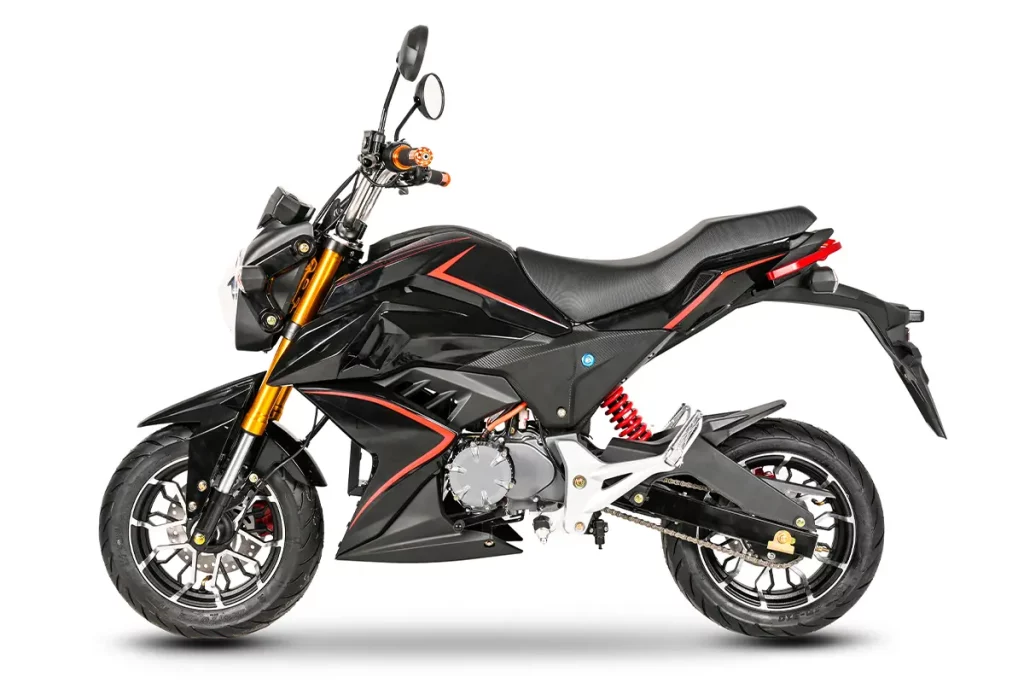
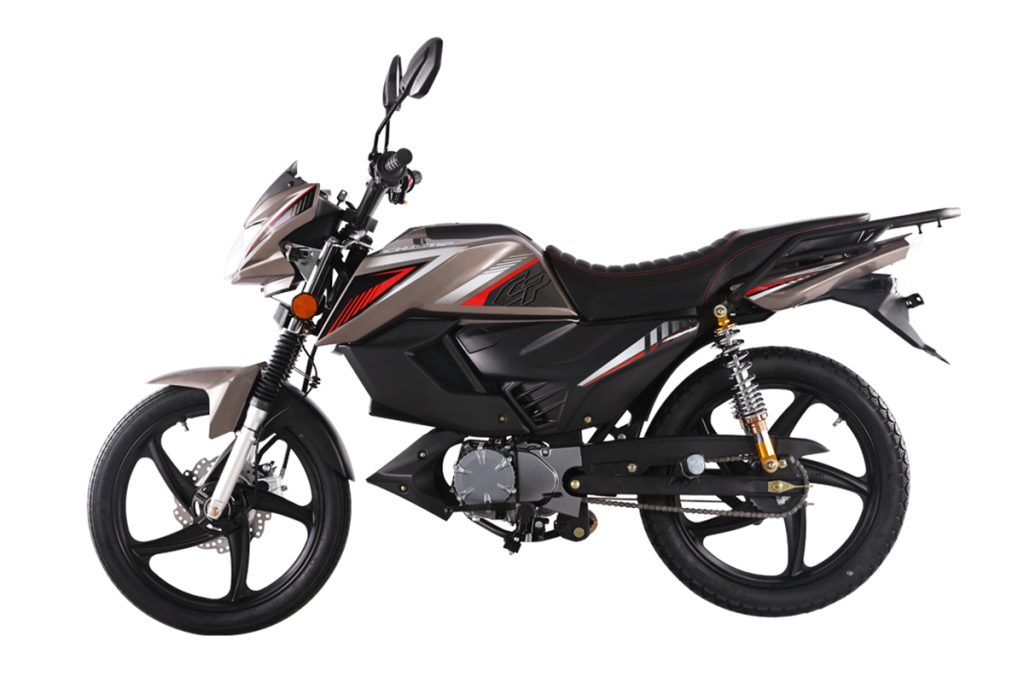
Entry-Level and Commuter Motorcycles
Entry-level riders and daily commuters represent one of the largest market segments in the global motorcycle industry. These customers typically prioritize affordability, high fuel efficiency, and ease of operation.
Such motorcycles usually include:
- 125cc to 300cc street motorcycles
- Lightweight commuter motorcycle
- A scooter specially designed for urban transportation
For the dealers, these models are of great significance as they enjoy high sales volumes. Although the profit margin per vehicle may be relatively low, the continuous demand helps to maintain a stable cash flow and increase the foot traffic for the dealers.
Mid-Range Motorcycles for Enthusiasts
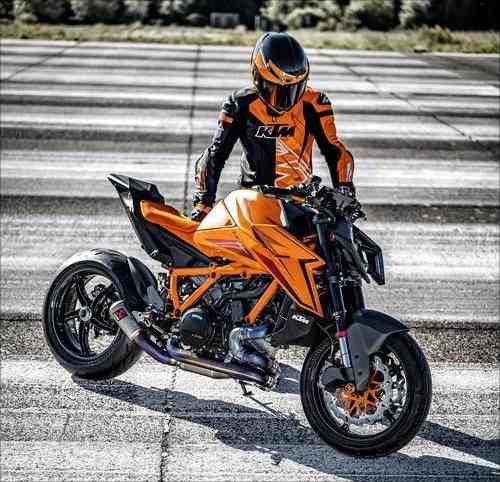
As the riders get more experienced, they tend to move to higher-displacement bikes. This category comprises riders who use the bikes for both commutes and leisure rides.
The common types of bikes in this category are:
- Naked bikes
- Adventure bikes
- Sport touring bikes
The displacement of the bikes ranges from 400 to 650 cc. This category of bikes usually gives a good balance of performance, comfort, and price. This category of bikes usually comprises the bulk of the product offerings of most distributors since they provide a good balance between volume and margin.
Premium Motorcycles
Premium motorcycles are designed for experienced riders who seek performance, brand prestige, and sophistication. Despite the lower sales volumes for this segment, it can have a substantial impact on the distributor’s profit.
Examples of premium motorcycles are:
- Cruiser motorcycles
- Large-displacement adventure motorcycles
- High-performance sport motorcycles
These bikes have an engine size of over 700cc. They are priced higher. For distributors, the benefits of premium motorcycles lie in brand association and the target audience for aftermarket products.
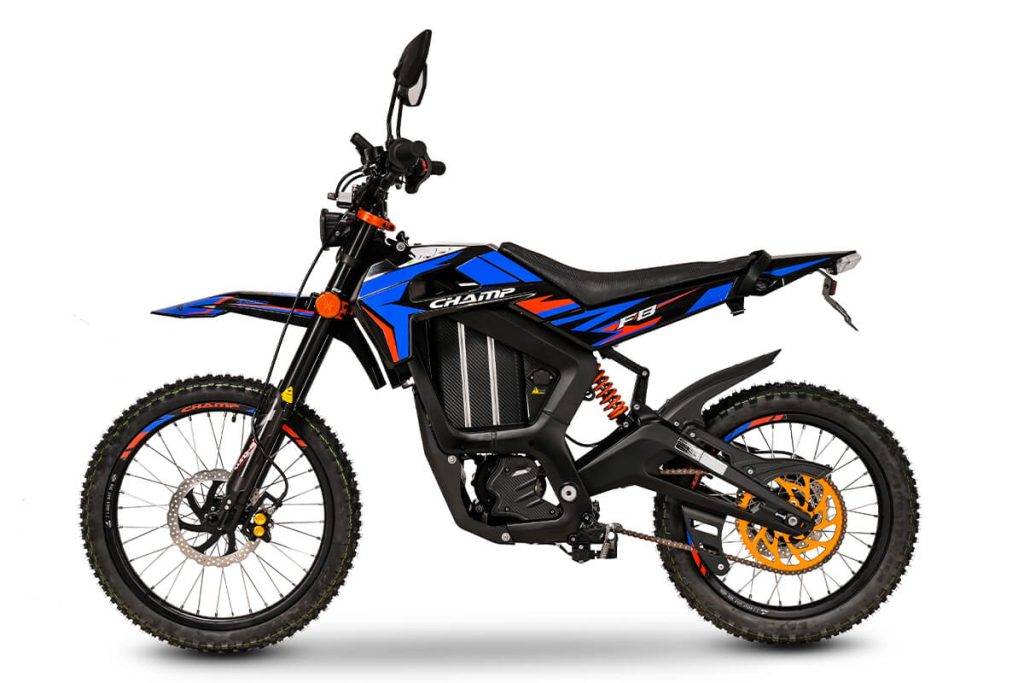
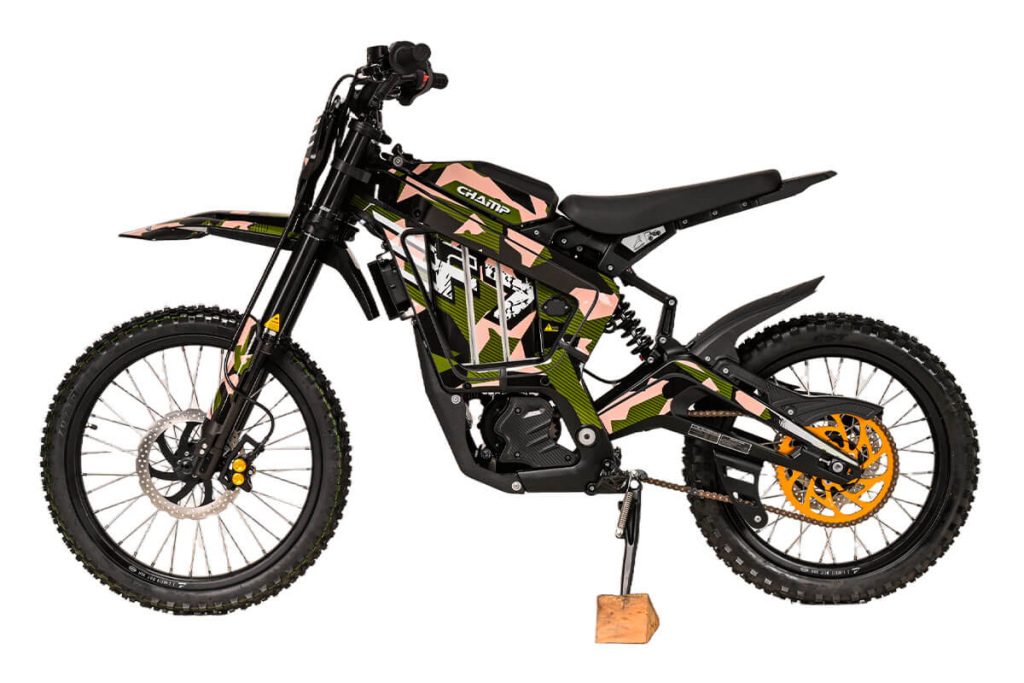
Electric Motorcycles
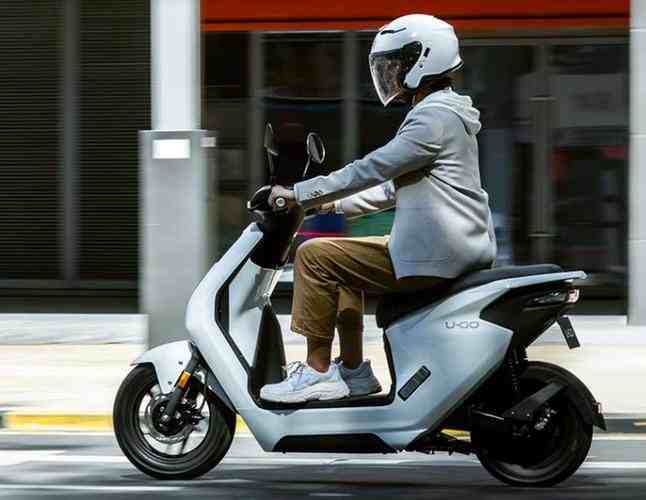
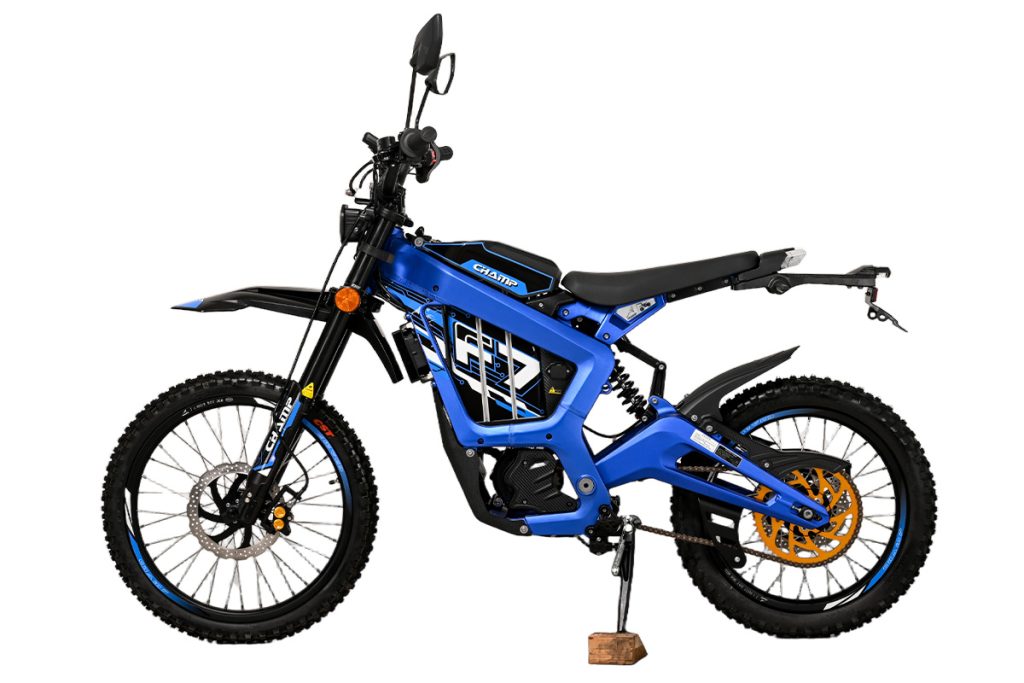
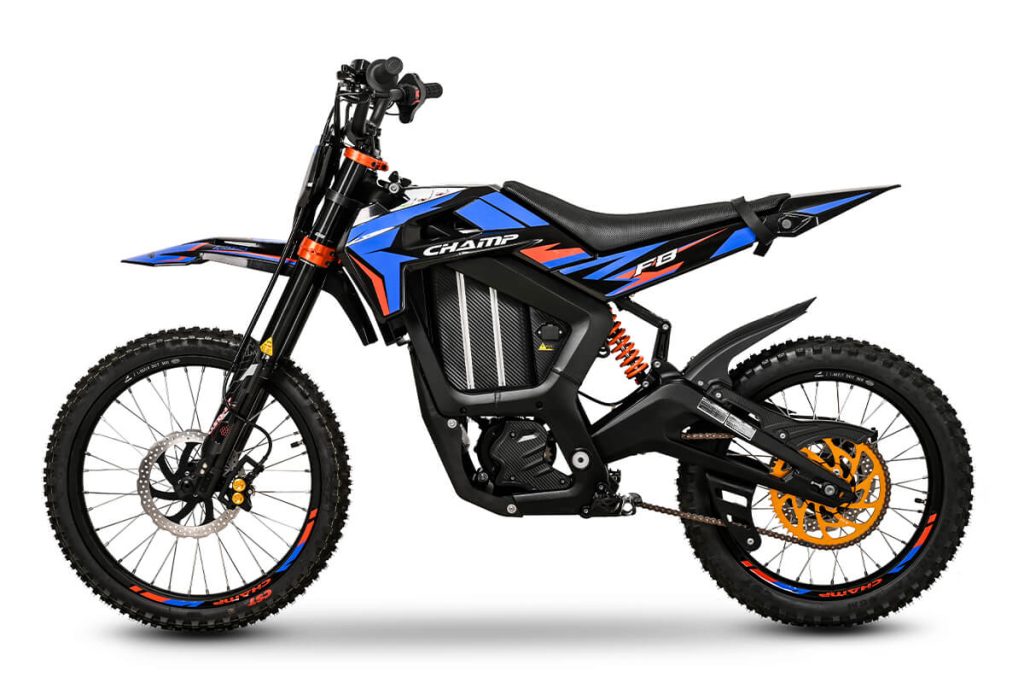
Electric motorcycles are becoming an increasingly important segment in many markets. With government regulations encouraging lower emissions and urban mobility solutions, electric models are gradually gaining popularity among younger riders and urban commuters.
For distributors, adding electric motorcycles to the lineup can help future-proof their business and appeal to environmentally conscious consumers.
The Three-Tier Motorcycle Product Line Strategy
Successful distributors often organize their product portfolio using a three-tier strategy. This structure ensures that the lineup covers different rider needs while maintaining balanced sales and profit opportunities.
Entry-Level Models – High Volume
Entry-level motorcycles typically form the foundation of a dealership’s sales volume. These models are affordable and attract new riders entering the motorcycle market.
Characteristics include:
- Engine sizes between 125cc and 300cc
- Simple and reliable design
- Competitive pricing
Because of their accessibility, these motorcycles are often the first purchase for many riders. Distributors benefit from steady demand and frequent turnover in this category.
Mid-Range Models – Balanced Profit
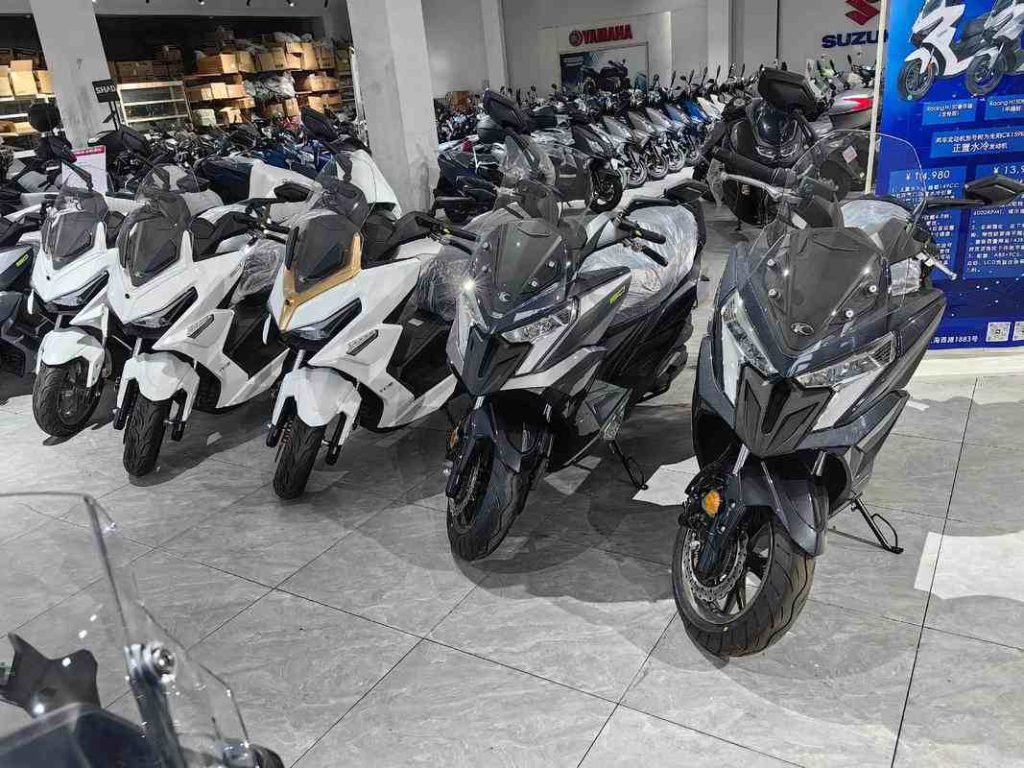
The mid-range motorcycles are considered to be the most balanced in terms of volume and profitability. This type of motorcycle is suitable for riders who are seeking higher performance but also value affordability.
The common characteristics of this type of motorcycle are:
- Engine capacity of between 400cc and 650cc
- Versatile design that is suitable for commuting
- High demand in both developed and emerging markets
For some of these wholesale distributors, this type of motorcycle is likely to be their major source of revenue.
Premium Models – Brand Value and Higher Margins
Premium motorcycles play a strategic role in building brand image and increasing profit margins. Although they sell in smaller numbers, their higher prices can contribute significantly to dealership revenue.
Premium models often include:
- High-displacement cruisers
- Performance sport bikes
- Adventure touring motorcycles
These motorcycles also attract experienced riders who tend to spend more on riding gear, accessories, and customization.
Inventory Planning for Motorcycle Dealers
A profitable motorcycle product line also requires careful inventory management. Overstocking expensive motorcycles can tie up capital, while insufficient stock of entry-level models can result in missed sales opportunities.
Many distributors follow a balanced inventory structure similar to the following:
- Entry-level motorcycles: around 50% of inventory
- Mid-range motorcycles: about 35%
- Premium motorcycles: approximately 15%
This kind of distribution helps to ensure that dealerships can support high turnover rates for commuter bikes while also providing attractive products in the mid-range and luxury categories.
In addition to that, the needs of the region have to be factored in by the distributor. For example, smaller-displacement bikes are more popular in developing countries, while larger-displacement bikes like touring bikes or adventure bikes perform better in North America or Europe.
Good inventory planning helps to minimize financial risk while allowing dealerships to quickly adapt to changing customer demand.
Profit Structure in Motorcycle Dealerships
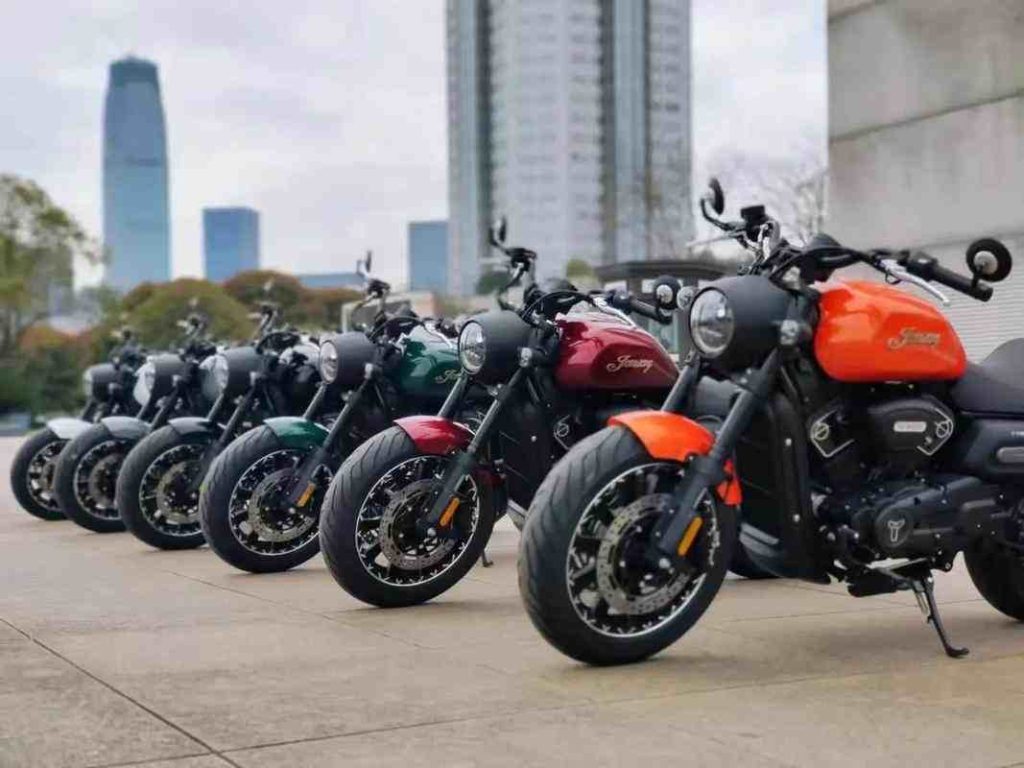
While motorcycle sales are the most visible part of the business, they are not always the largest source of profit for dealers.
A typical dealership generates revenue from multiple channels, including:
- Motorcycle sales
- Spare parts and accessories
- Maintenance and repair services
- Riding gear and protective equipment
The motorcycles may serve as the entry point for the customers. Once the customers have purchased the motorcycles, they may come back to the company to maintain the motorcycles. This may generate more revenue in the long term.
For distributors, supporting dealers with spare parts supply and technical support can therefore increase the overall value of their product line.
Choosing the Right Motorcycle Manufacturer
Another major factor to take into consideration while creating a profitable range of motorcycles is the manufacturer with whom the business can partner. The manufacturer should be reliable so that the quality of the product is good, as well as the business relationship.

Some of the major factors that can be taken into consideration while choosing a manufacturer are:
- Production capacity and a well-established motorcycle production line
- Consistent quality control standards
- International certifications and regulatory compliance
- Availability of spare parts and technical support
- Competitive wholesale pricing
A strong manufacturing partner allows distributors to expand their product portfolio while maintaining stable supply chains and consistent product quality.
Related Articles: 5 Considerations When Working with China Motorcycle Wholesale Suppliers
The Evolving Direction of Motorcycle Product Planning
As the preferences and technologies and regulations in the world market are changing continuously, the planning for motorcycle products is also changing. The flexibility in the changing regulations and preferences will help the dealers remain competitive.
The profit model of motorcycle dealers is not a “one-off transaction”, but rather a closed loop of continuous revenue through the multi-dimensional interaction of sales, services and communities. For motorcycle dealers and wholesalers, the key to long-term success lies in maintaining product lines that can adapt to these changes.