Electric or Gas Commuter Motorcycles: Which One Wins Your Daily Ride?
The process of commuting in an urban setting has become a challenge in recent times, considering various factors like traffic and fuel costs and parking and environmental issues. Commuters are searching for effective solutions which enable them to travel between locations with efficient electric motorcycles and traditional gas motorcycles being their preferred choice. What are the best options for your daily commute?
This article will conduct a detailed analysis of the costs, performance, and actual needs of each type of motorcycle. Next, let’s explore the answer to this question together.

Daily Commuting Costs: Electric vs Gas
Buying a car is just the beginning. The long-term usage costs are what deserve more attention. From fuel/energy bills to maintenance, the difference between the two could surprise you.
Energy cost
- Electric motorcycles: The electricity cost is low and can be almost negligible.
Take the 60V20Ah electric motorcycle as an example. It takes about 1.2 kWh to fully charge. Converted to daily commuting, it only costs a few dollars per week. Many riders choose to charge at home. This method is both convenient and predictable, avoiding the hassle of frequent trips to gas stations.
- Gas motorcycles: High fuel costs with significant fluctuations.
The cost of fuel varies according to the market. The consumption rate for every 100 kilometers for a normal motorbike used for commuting ranges from 2 liters to 4 liters. Even if the cost of fuel is moderate, it can be substantial when calculated over a period of time, and the cost per kilometer may be on the higher side compared to an electric motorbike.
Maintenance & Upkeep
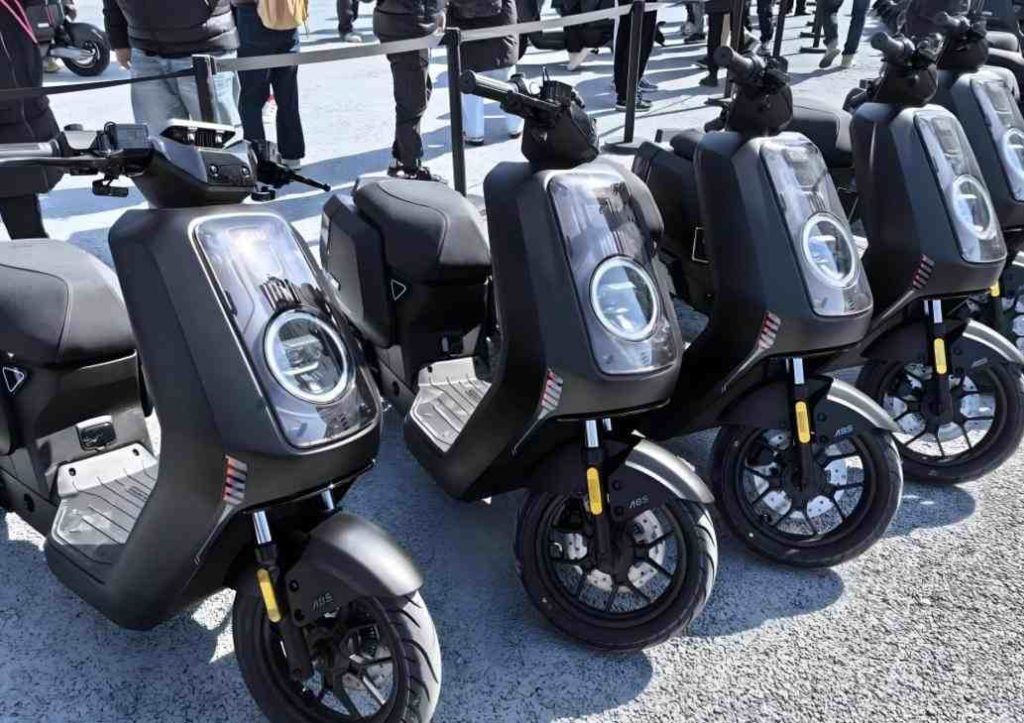
Electric motorcycles: Since there are fewer components to maintain, electric motorcycles are easy to maintain. There is no need to change the engine oil, spark plugs, and transmission, among other things.
Related Articles: Electric Dirt Bike Maintenance Costs: What You Actually Save in One Year
Gas motorcycles: Gas motorcycles, being the conventional type, have numerous parts and will, therefore, deteriorate at some point. Some of the things that need to be done include changing the engine oil, adjusting the engine, cleaning the air filter, and adjusting the clutch or brakes from time to time. After 3 to 5 years, the cost of maintenance can be quite high, sometimes even more than the additional cost of the electric motorcycles.
Long-Term Cost Simulation
Suppose a rider commutes 22 days each month for 12 consecutive months, and rides 20 kilometers each day:
| Cost Factor | Electric Motorcycle | Gas Motorcycle |
| Energy/Fuel | $150/year | $500/year |
| Maintenance | $100/year | $300/year |
| 3-Year Total | $750 | $2,400 |
This simplified simulation indicates that although the purchase price of electric motorcycles is higher, it will be able to outperform fuel-powered motorcycles in terms of cost-effectiveness within just a few years.
Performance Comparison: Power & Range
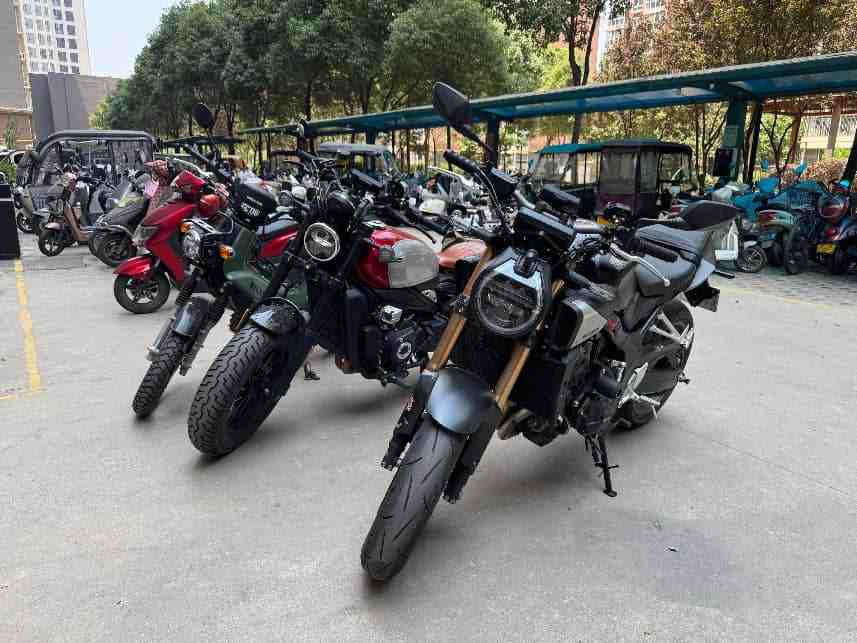
Power and range are the core factors in vehicle selection, and the differences between them directly affect the riding experience. Especially in different distance trips, the performance is completely different.
Electric Commuter Motorcycles
The electric motorcycle uses an electric motor as a power source. Its greatest advantage is that “instant torque” can be achieved, meaning that the maximum power can be released immediately when the throttle is released. It can accelerate much faster than other motorcycles with the same engine displacement. For example, a 60V 20Ah electric motorcycle can accelerate from 0 to 30 km/h in just 2 seconds. When accelerating from a standstill from a traffic light in the city, it can easily pass a fuel-powered motorcycle beside it. This characteristic makes it particularly convenient for short commutes (5-20 kilometers). It can smoothly and effortlessly navigate through the traffic flow.
However, the “weak point” of electric motorcycles is their range. The range of regular electric motorcycles, which are powered by lead-acid batteries, is from 50 to 80 km. As for electric motorcycles that are powered by lithium batteries, the range is from 100 to 150 km, provided the speed is 50 km/h. However, if it is winter, the range will be reduced because the battery’s activity will be reduced as well.
Another factor that has to be taken into consideration is the charging infrastructure and battery management. Domestic charging is quite convenient, but when it comes to long-distance journeys, public charging points may have to be used. However, the truth is that charging points are not as widespread as gas stations.
Gas Commuter Motorcycles
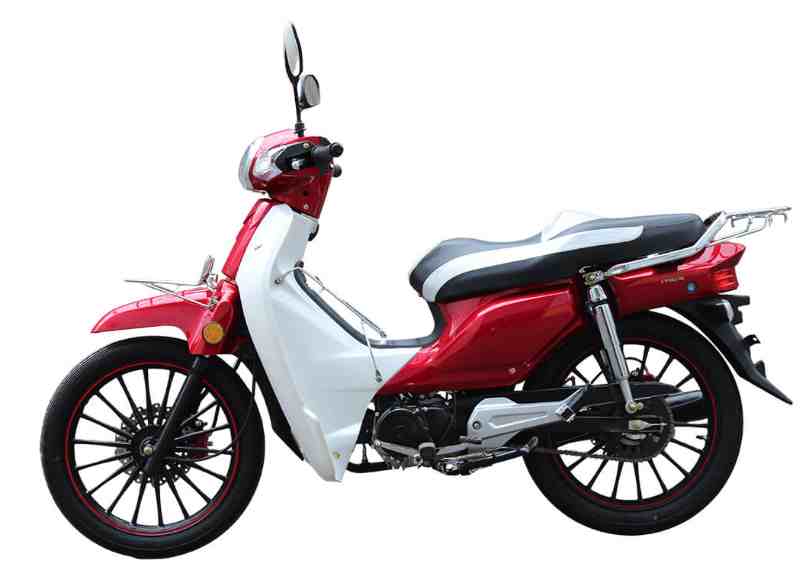
Gas motorcycle is supplied by the combustion of the engine. Although the torque of this engine is not as strong as that of the electric motor at startup, it has more reserve power in medium and high speeds (over 60 km/h).
The “strong point” of traditional gas motorcycles is range. Typically, a fuel tank for a 125cc scooter can range from 5 to 6 liters. Assuming that the fuel efficiency is 2.5 liters for every 100 kilometers, a full tank can provide a range from 200 to 240 kilometers. For a motorcycle that has a displacement greater than 250cc, its fuel tank can easily exceed 10 liters, and range can easily exceed 400 kilometers.
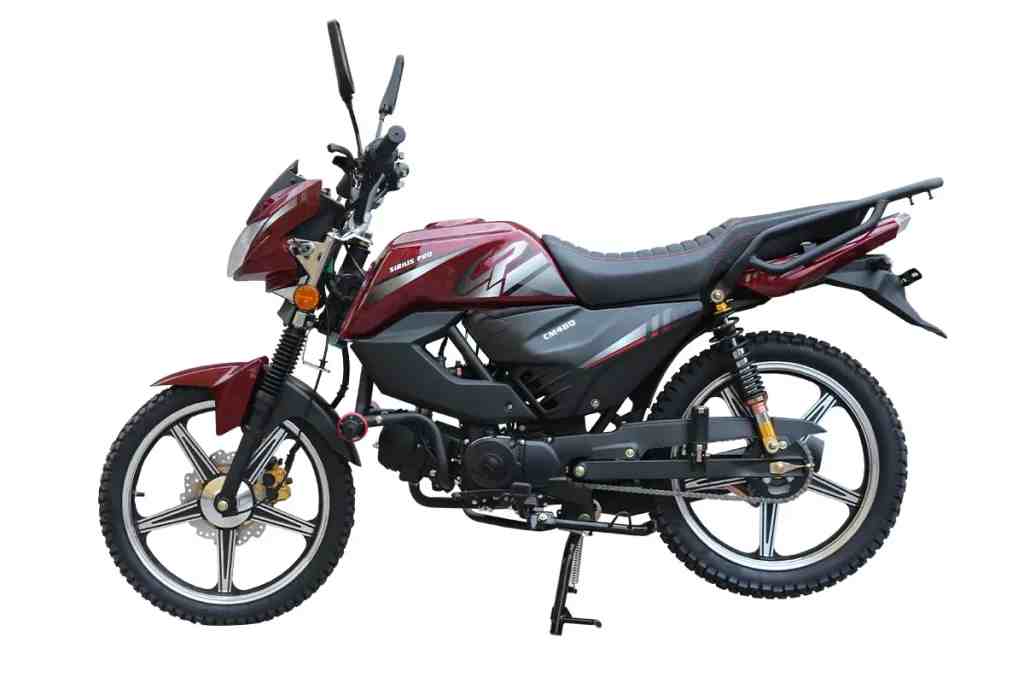
Secondly, there is a broad coverage of gas stations. The medium-high power reserve is adequate for long-distance journeys on national roads or mountain roads. The power is rather weak at low RPMs, which requires constant gear shifting or increasing the RPM.
Related Articles: How Many Miles Can a Motorcycle Last on One Tank? A Complete Guide
Urban Commuting Experience
The real test of any commuter vehicle is how it performs in everyday city life. Here, several subtle advantages make electric motorcycles particularly appealing for urban riders.
Parking & Maneuverability
Electric motorcycles are often smaller and lighter than their gas counterparts. This makes it easier to park in tight spaces, navigate crowded streets, and even share parking areas in residential complexes or office buildings.
Traffic Navigation
The instant torque response and smooth power delivery make electric motorcycles ideal for dealing with stop-and-go traffic. Motorcyclists can speed through intersections, merge smoothly into lanes, and avoid unnecessary stress.
Charging vs Refueling Convenience
For urban dwellers with the advantage of home charging, an electric motorcycle will reduce the need to visit gas stations and the time spent refueling the motorcycle. Gas motorcycles provide the advantage of quick refueling, which is essential, especially when traveling long distances and the availability of electric charging stations is limited.
Who Is Suited for Which Type?
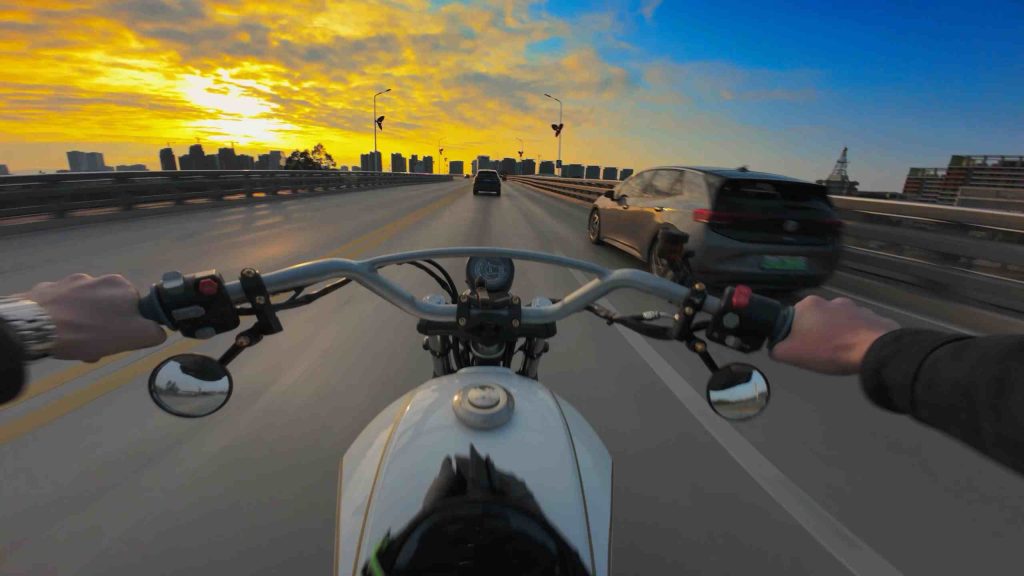
After reviewing costs, performance, commuting experience, and environmental/policy factors, it’s clear that the best choice depends on your specific commuting needs.
| Factor | Electric Commuter Motorcycle | Gas Motorcycle |
| Daily Commute Distance | Short to medium (20–80 km) | Medium to long (>80 km) |
| Traffic & Urban Use | Excellent for stop-and-go traffic | Good, but less agile in heavy congestion |
| Parking & Maneuverability | Very convenient | Can be challenging in tight urban spaces |
| Energy/Fuel Costs | Low and predictable | Higher and variable |
| Maintenance | Minimal, fewer moving parts | More frequent, higher cost |
| Environmental Impact | Zero emissions, quieter | Fossil fuel emissions, noisier |
| Policy Incentives | Subsidies, low-emission zones | Usually no special incentives |
| Acceleration & Power | Instant torque, ideal for city | Steady power, better for highways |
| Convenience | Home charging possible | Fast refueling, longer range |
Who Rules the Daily Commute?
There is no absolute “better” or “worse” when it comes to gas motorcycles or electric motorcycles in terms of daily commutes. The answer all depends on your actual needs.
If you usually use your motorcycle for urban riding, you focus on minimize the long-term costs and emphasize the importance of environmental protection. In this case, an electric motorcycle is the best choice for you.
If you usually use your motorcycle for highway riding or places with few charging facilities, a gas motorcycle is the best option.