Why 125cc–150cc Motorcycles Are Dominating Africa’s Commercial Market
In Africa’s commercial motorcycle market, practicality, operational costs, and long-term durability are much more important factors for achieving success than a high horsepower or premium features. To many riders and entrepreneurs on the African continent, motorcycles are not just a mode of transportation but rather a guarantee to earn daily income by serving customers and maintaining their livelihoods. Therefore, motorcycles within the 125cc to 150cc displacement have become the mainstream choice in the commercial motorcycle market. Some of their advantageous features include low prices, high fuel efficiency, ease of maintenance, and adaptability on various road conditions. Such advantages have made this class of motorcycles a mainstay in the two-wheeler market in Africa, especially favored by dealers who seek fast turnover and repeat purchases.
Commercial Reality & Buyer Behavior: What Actually Drives Volume
To comprehend the high sales of motorcycles with 125cc to 150cc engine capacity in Africa, one has to identify and understand the uses of these bikes as well as the profile of the buyers.
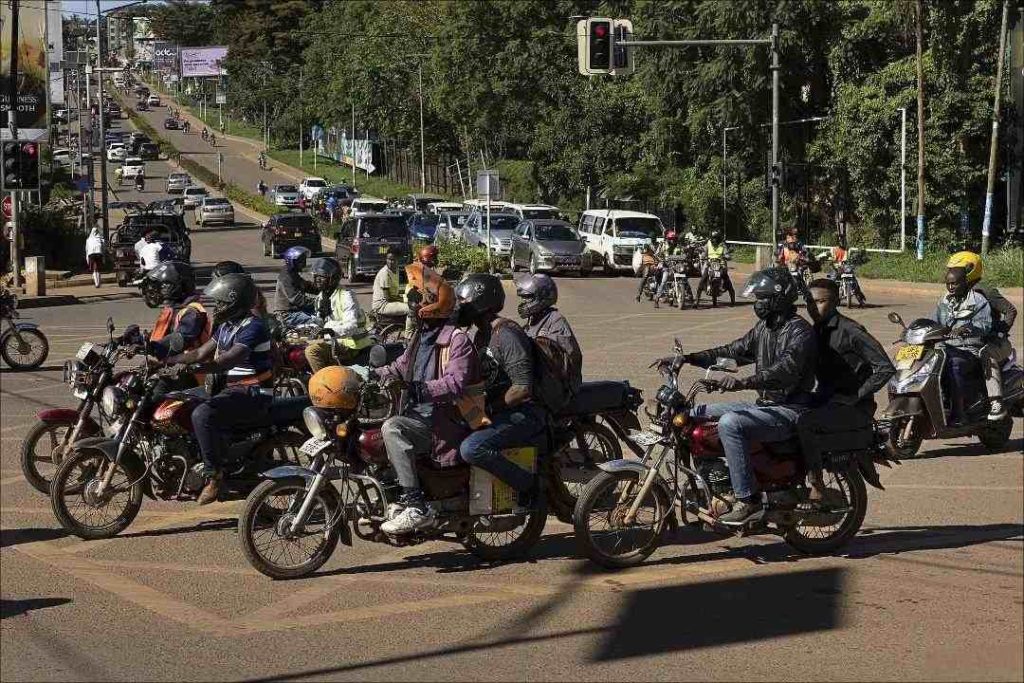
Motocycles have a variety of economic roles in many cities and regions across Africa:
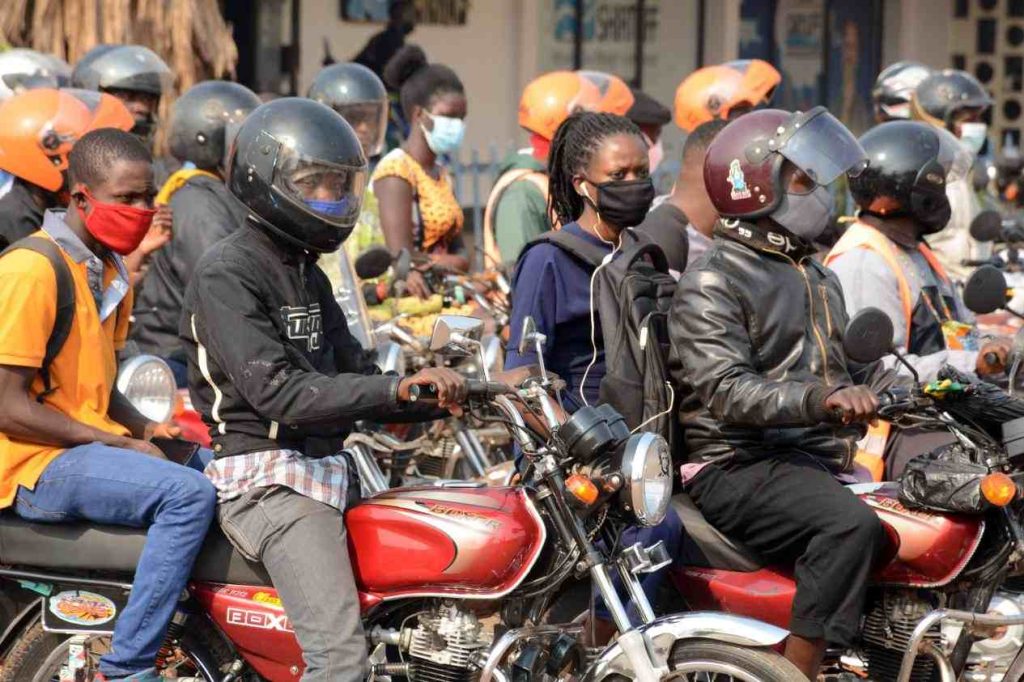
- Motorcycle taxis (locally known as boda-boda or okada) ferry passengers in dense urban corridors or rural paths.
- Last-mile delivery services carry parcels, food, and goods in the rapidly growing gig economy.
- Small businesses and entrepreneurs use motorcycles as essential tools for transport, service calls, or mobile vending.
The prime motive for purchase decisions in these market segments is not brand or tech but actual cost and uptime: Price and operating costs. For markets with low income spending and high usage levels, the customer will prefer a solution providing the lowest overall cost.
Related Articles: Motorcycle Engine Displacement Explained: From 50cc to 1000cc+
Why 125cc–150cc Hits the Perfect Balance
Motorcycles with a displacement of 125cc to 150cc dominate the African market. The reason for this is a series of balanced advantages that closely align with actual demands.
Cost vs Capability
The buying price of motorbikes in this sector makes the motorbikes more attainable for both the individual and the fleet owner. When compared to the higher displacement motorbikes, it was found that 125-150cc motorbikes tend to be relatively cheaper while still producing adequate power. This creates higher market penetration and faster inventory turnover for dealers.
Fuel Efficiency Under Heavy Daily Use
Fuel prices are a major consideration for commercial vehicle users. For vehicles that travel large distances on a daily basis, such as taxis or delivery vehicles, even a small amount of fuel efficiency per kilometer can result in significant money being saved on a daily basis. Smaller engines provide greater mileage and are a direct source of saving, considering the volatile prices for diesel and gasoline.
Enough Power for Real-World Load
Despite their relatively modest displacement, 125cc–150cc bikes usually deliver sufficient torque and power for typical commercial demands—carrying passengers, transporting goods, and handling unpaved or mixed road surfaces. In many cases, this “just right” power level results in better consistency and reliability than underpowered alternatives, without the cost burdens of larger engines.
In many regional industry reports, 125cc engines (often grouped with sub-125cc vehicles) have consistently been reported as the dominating segment by volume, driven by wide model availability, low prices, and strong fuel economy.
Maintenance Reality: The Dealer’s Daily Battle
In Africa, the long-term success of commercial motorcycles largely depends on the ease of maintenance – not only at high-end dealerships, but also from ordinary mechanics in small repair shops.
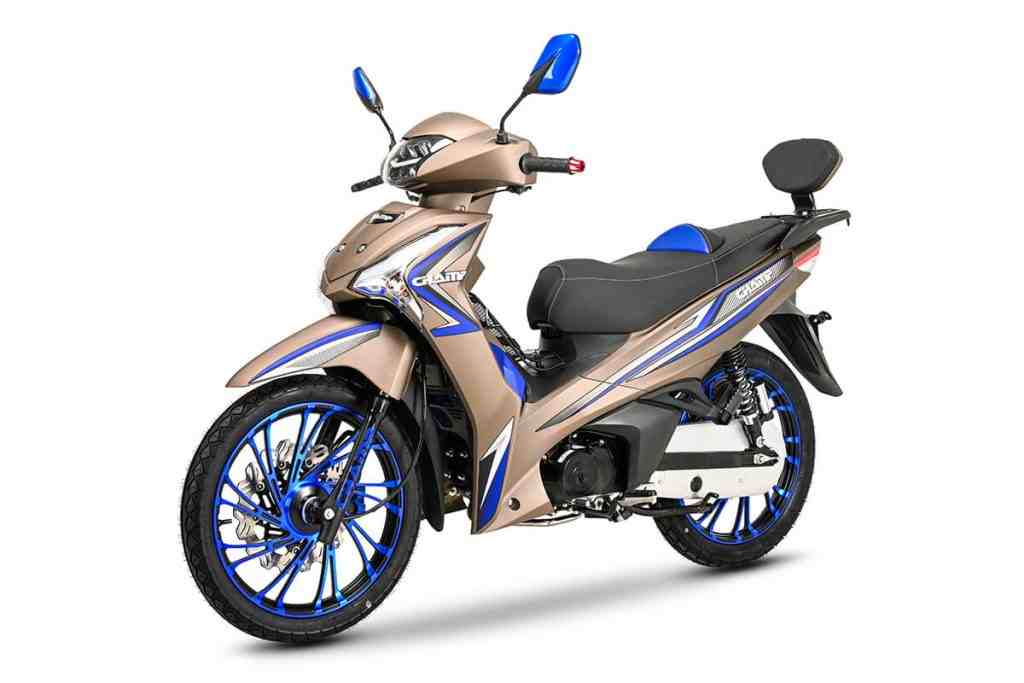
In many regions of the African continent, the maintenance of motorcycles is mainly carried out by local technicians rather than through a large authorized service network. For these technicians, simplicity is more important than complexity. The common air-cooled single-cylinder engines of 125cc to 150cc motorcycles can be diagnosed, repaired and maintained easily with basic tools and limited technical equipment. Moreover, the simpler mechanical structure means fewer failure points and lower downtime.
The maintenance costs are high. Once a motorcycle stops operating, it cannot generate income for the owner. Moreover, if spare parts or specialized technologies are difficult to obtain, it will also put pressure on the dealers. Models with an engine displacement of 125cc to 150cc usually can avoid these pitfalls because they adopt more mature engineering technologies and reliable design standards.
Spare Parts Ecosystem: The Hidden Reason Behind Dominance
Availability of spare parts is one of the most underappreciated drivers behind the success of certain motorcycle segments. A strong local aftermarket helps maintain confidence among owners and reduces total cost of ownership.
Because 125cc–150cc bikes represent the largest volume sales bracket in many African regions, spare parts for these models are more likely to be stocked by repair shops and parts dealers. This availability creates a positive feedback loop:
- High sales volumes increase parts demand.
- Parts are more widely stocked and easier to find.
- Faster repairs increase uptime.
- Word of reliable parts and service boosts repeat sales.
Dealers often find that having a strong parts support system for a core displacement segment increases customer loyalty and stabilizes aftermarket revenue.
Urban vs Rural Use: Same Displacement, Different Logic

One notable feature of the 125cc-150cc motorcycles that dominate the market is that they perform exceptionally well in both urban and rural areas – although the usage patterns may differ.
Urban Environments
In cities like Lagos, Nairobi or Accra, motorcycles are essential vehicles for navigating through congested streets and shortening delivery times. Riders usually prioritize maneuverability and fuel efficiency, and these two aspects are precisely the advantages of small-displacement motorcycles.
Rural and Semi-Urban Contexts
In areas with few paved roads or poor road conditions, the durability and simple design of these motorcycles become even more valuable. The 125cc-150cc engine, combined with a powerful suspension system and a sturdy frame, can easily handle gravel roads and rough terrains, and the operating cost is also relatively low.
Although the specific circumstances vary greatly from region to region, the core advantages of 125cc-150cc motorcycles – low cost, high reliability and ease of maintenance – have always maintained their popularity. Data shows that in the broader Middle East and Africa regions, motorcycles with a displacement of 150cc or less continue to hold a leading position in market share due to their affordability, high fuel efficiency, and suitability for various geographical environments.
Why 125cc–150cc Will Remain the Backbone
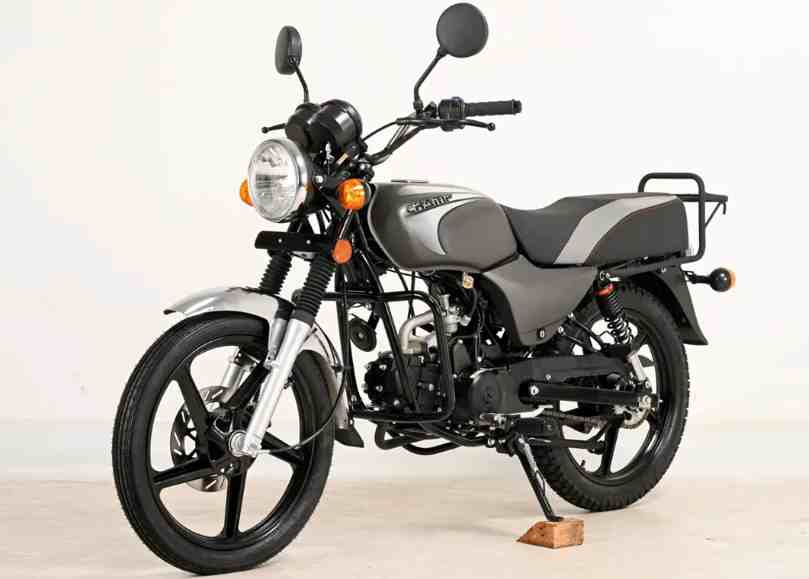
In the commercial motorcycle market in Africa, motorcycles with a displacement of 125cc to 150cc have proven that their actual efficiency is far superior to their theoretical performance. This displacement range precisely meets the real needs of commercial riders and dealers:
- Low purchase and usage costs
- High fuel efficiency directly affects daily profits.
- Easy to maintain, ensuring that the vehicle is always in good working condition
- The supply of components is sufficient, ensuring the normal operation of vehicles and promoting repeat purchases by customers.
The combined effect of these advantages has made motorcycles with engine displacements ranging from 125cc to 150cc not only highly popular but also a strategically significant choice. For dealers and importers who are focused on long-term growth and stable demand, this engine displacement range is likely to remain a mainstay of the two-wheeler market in Africa for the next few years.