OEM vs ODM Dirt Bike Manufacturer: What’s the Difference?
The demand for moderately priced, high-performance dirt bikes remains on the rise, particularly in developing countries such as South America, Africa, and Southeast Asia. With the growing number of dealers and business people venturing into the market, while assessing dirt bike manufacturers, the following question always arises in people’s minds:
Should we develop our own OEM dirt bikes, or can we use ODM dirt bikes based on the existing factory platform?

What Is an OEM Dirt Bike?
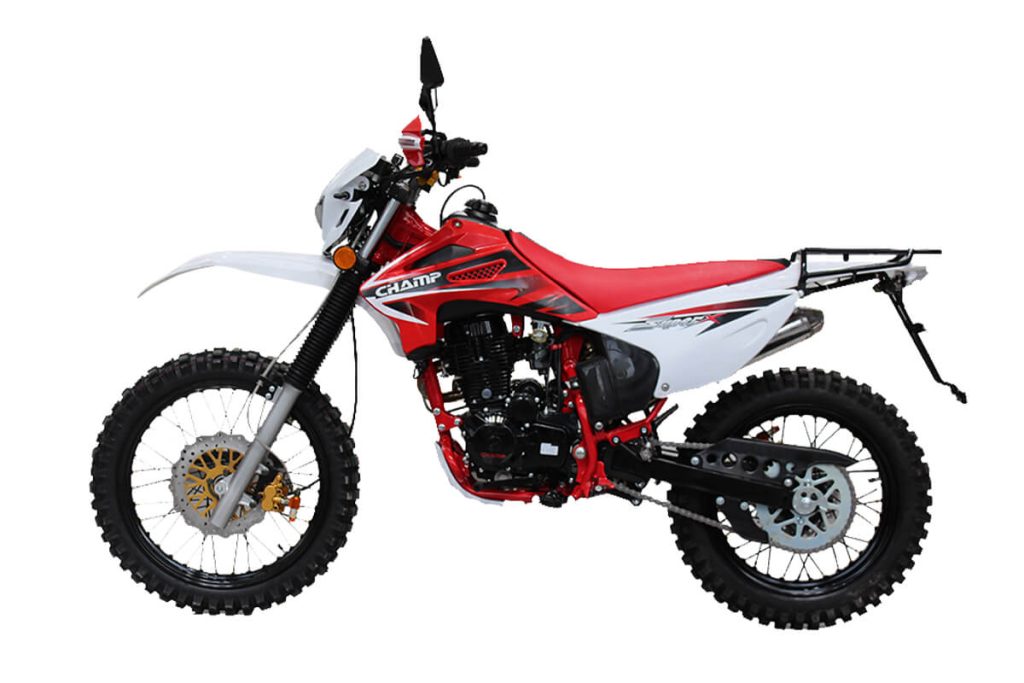
OEM dirt bikes (original equipment motorcycles) refer to motorcycles produced according to the specific requirements of the buyers. In this model, the importer or brand owner provides detailed specifications, while the factory is responsible for engineering design, production and assembly.
In the dirt bike industry, OEM typically includes customization such as:
- Engine configuration (125cc, 150cc, 250cc, etc.)
- Frame geometry adjustments
- Suspension setup and tuning
- Wheel size combinations
- Custom graphics kits and branding
- Packaging and accessory configuration
Advantages of OEM Dirt Bike Production
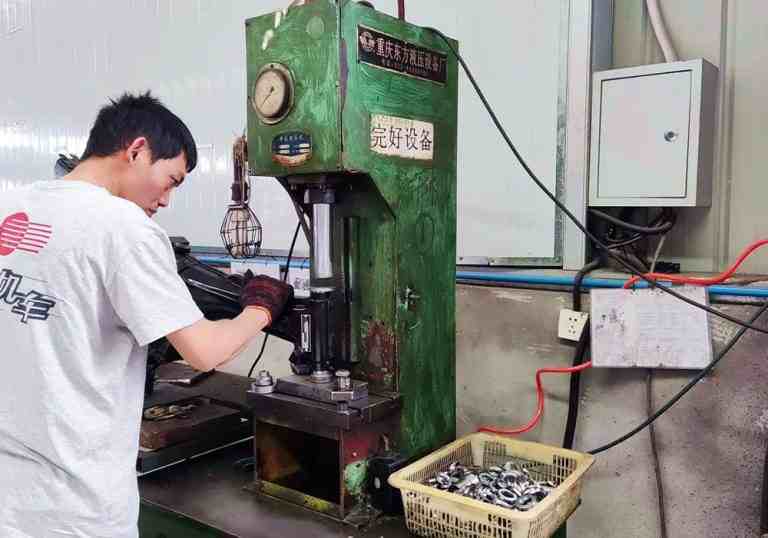
- Full brand control – You have the autonomy to determine your product concept and market positioning.
- Greater differentiation advantage – Unique product specifications can reduce price competition.
- Higher long-term profit margins – Exclusive products give you greater pricing power.
- Strategic brand building – facilitating long-term growth and the enhancement of brand recognition.
Challenges of OEM
- Higher development costs (tooling, engineering, testing)
- Larger minimum order quantities (MOQ)
- Longer lead times (typically 3–6 months)
- Greater market risk if demand is uncertain
OEM dirt bike manufacturing is a strategic investment. It is not just about production—it is about building a product identity.
What Is ODM in Dirt Bike Manufacturing?
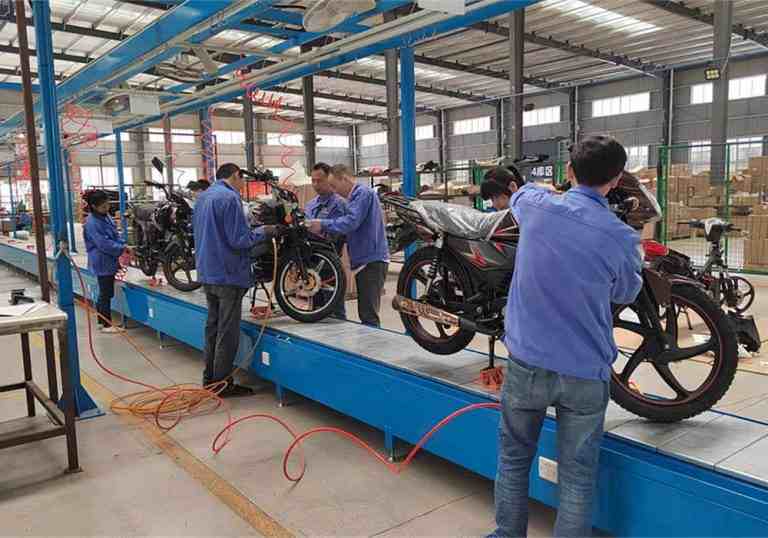
ODM (Original Design Manufacturer) refers to a situation where the factory has developed an dirt bike platform. The buyer selects an existing model and makes limited modifications.
In ODM cooperation, dirt bike manufacturers typically allow:
- Logo placement
- Color changes
- Graphic kit adjustments
- Minor component upgrades (tires, chains, carburetors, etc.)
- Custom packaging
The core engine, frame, and structural platform remain unchanged.
Advantages of ODM Dirt Bike Models
- No R&D Investment Required
- Faster Time to Market (30–60 days)
- Lower MOQ Requirements
- Reduced Financial Risk
- Ideal for Market Testing
Limitations of ODM
- Less product uniqueness
- Potential similarity with competitors’ models
- Greater price competition
ODM is often the fastest way to start a dirt bike wholesale business, especially for new distributors.
OEM vs ODM Dirt Bike Manufacturer: What’s the Difference for Importers and Brands?
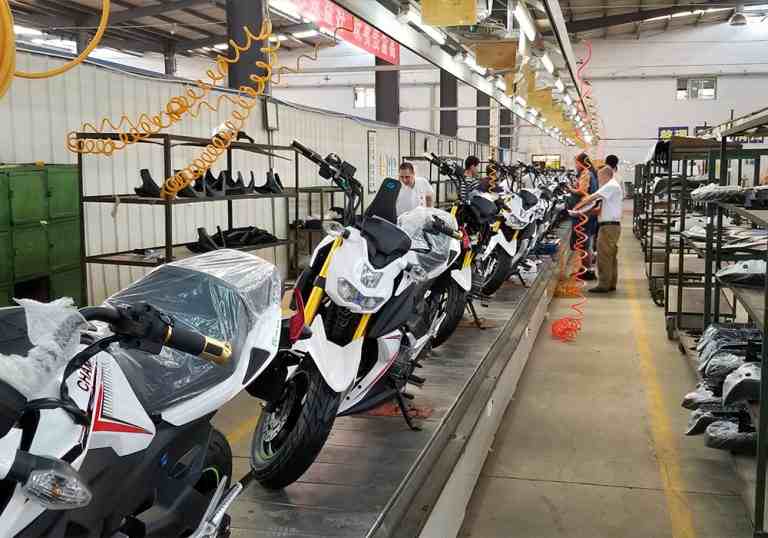
Below is a clear comparison table outlining the key differences:
| Factor | OEM Dirt Bike | ODM Dirt Bike |
| Design Ownership | Buyer | Manufacturer |
| Development Cost | High | Low |
| MOQ | Higher | Lower |
| Time to Market | 3–6 months | 1–2 months |
| Product Uniqueness | Strong | Moderate |
| Risk Level | Higher | Lower |
| Long-Term Profit Potential | High | Medium |
| Market Testing Suitability | Limited | Excellent |
Key Takeaways
- OEM dirt bike production focuses on long-term brand strategy.
- ODM cooperation focuses on speed and lower entry barriers.
OEM offers stronger competitive advantages, while ODM offers flexibility and lower risk.
For many dirt bike manufacturers, both models are available depending on customer needs.
Which Model Is Right for Different Types of Buyers?
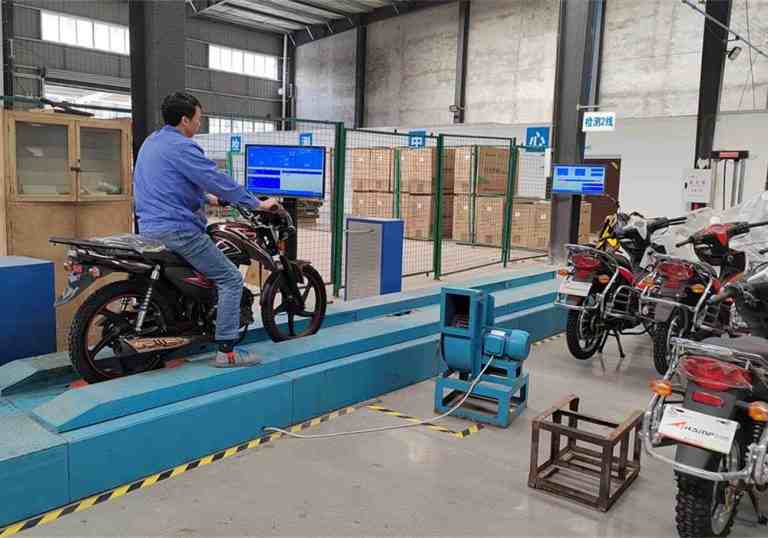
Choosing between OEM and ODM depends largely on your business stage and goals.
1. New Dirt Bike Distributors
If you are just entering the market:
- Choose ODM first
- Test demand with existing platforms
- Control inventory risk
- Preserve capital for marketing and channel expansion
ODM allows you to validate which engine sizes (such as 125cc or 150cc dirt bikes) perform best in your region before investing in customization.
2. Established Brand Owners
If you already have:
- Stable dealer networks
- Predictable sales volume
- Long-term brand strategy
Then OEM dirt bike manufacturing is a stronger option.
OEM enables:
- Exclusive product lines
- Improved margins
- Brand positioning above generic competitors
3. Growing Dealers Expanding Product Lines
A hybrid strategy is often the smartest approach.
Many successful distributors follow this path:
- Launch ODM models to test the market
- Identify best-selling units
- Upgrade those models into OEM dirt bikes
- Gradually build exclusive product lines
This strategy balances risk and brand development.
Do You Need an OEM or ODM Dirt Bike Manufacturer?
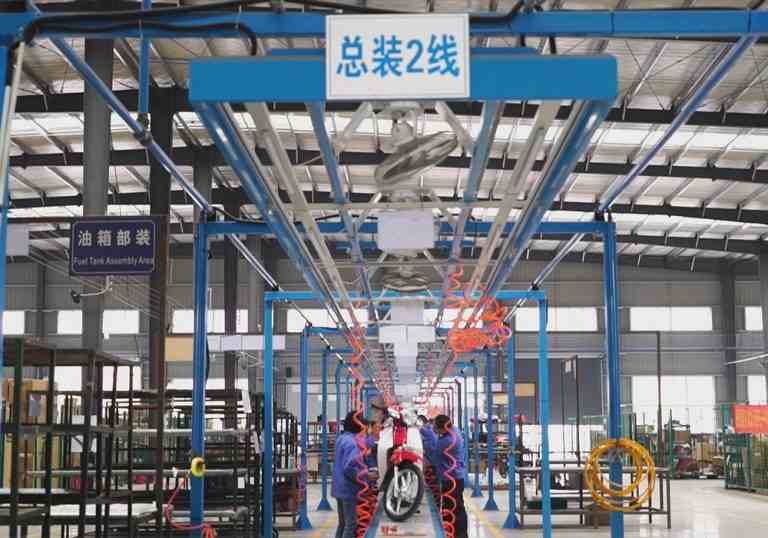
The choice between OEM and ODM for dirt bike manufacturing ultimately depends on your business stage, market strategy, and long-term goals. Some dealers prioritize rapid market entry and control of investment, while others focus on product differentiation and brand positioning.
The most important factor is to collaborate with a manufacturer that understands both of these models and can provide support at every stage of your development.
At CHAMP, we offer comprehensive OEM and ODM motorcycle customization services to global distributors and brand owners. Whether you need:
- A fully customized OEM dirt bike with unique specifications
- An ODM model that can be quickly launched and licensed for production
- Engine displacement adjustment (125cc, 150cc, 250cc)
- Customized patterns, brands and packaging
- Flexible production plan
- Long-term spare parts support
Our engineering and production teams are always ready to provide reliable solutions that meet your market demands.
From the entry-level distributors exploring new markets to the established brands that have developed their own product lines, CHAMP’s customized services support both OEM and ODM cooperation models.
If you are looking to establish a partnership with an experienced dirt bike manufacturer, our team is ready to discuss with you how we can help you turn your product strategy into reality.