Motorcycle Fuel Consumption (125cc–500cc): Does Bigger Engine Always Mean Higher Fuel Use?
The fuel consumption of a motorcycle is affected by many factors, which include engine size, engine technology, the weight of the vehicle, and the riding habits. When the engine sizes of the motorcycle vary from 125cc to 500cc, the performance of the fuel consumption of the engines of the motorcyclists differs; however, large engines do not consume the most amount of fuel.
This article will analyze the fuel consumption of engines of different displacements and provide the answers you are looking for.

Typical Motorcycle Fuel Consumption by Engine Size
Here is a realistic comparison of motorcycles from 125cc to 500cc, including typical models and real-world fuel efficiency ranges:
| Engine Size | Typical Models | Typical MPG (US) | Typical L/100km | Typical Use |
| 125cc | Honda CB125F, Yamaha YZF R125 | 90–120+ | 2.0–3.0 | City commuting / extremely economical |
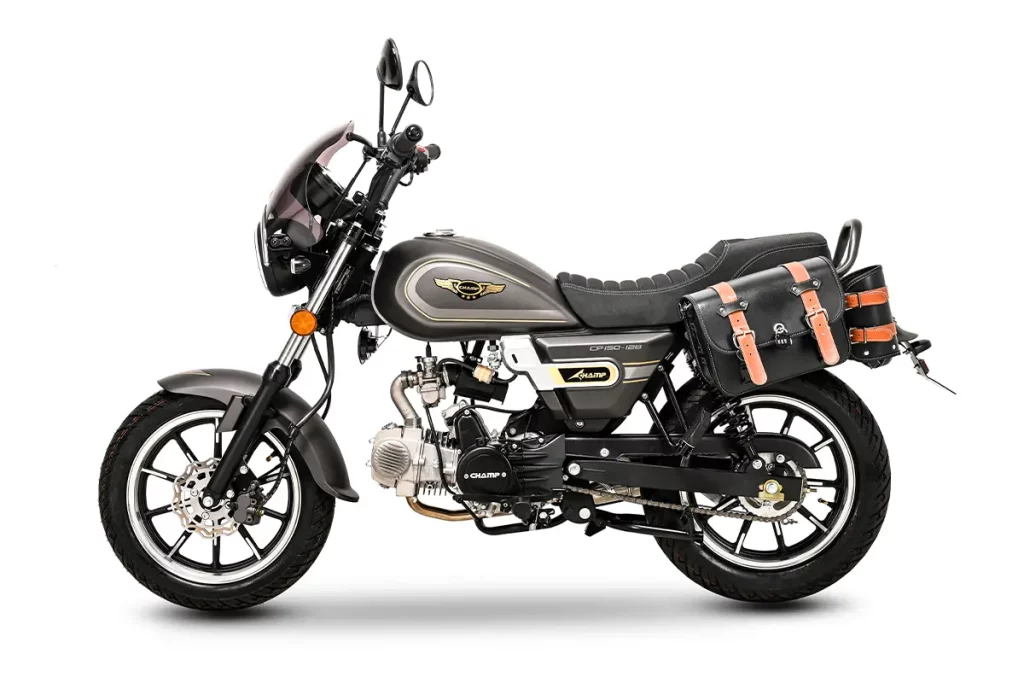
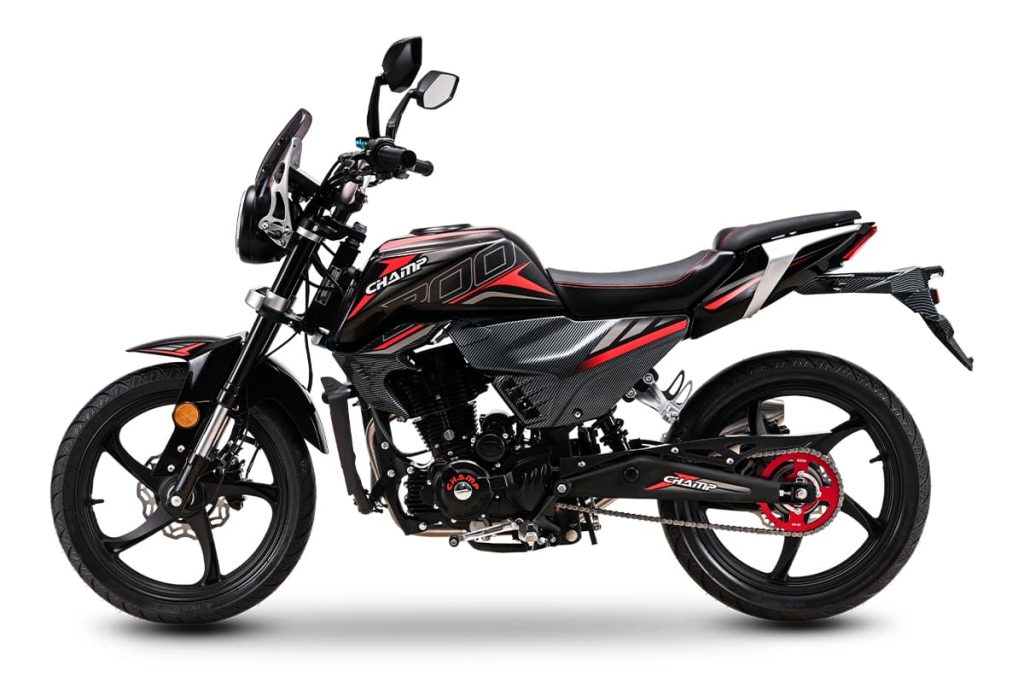
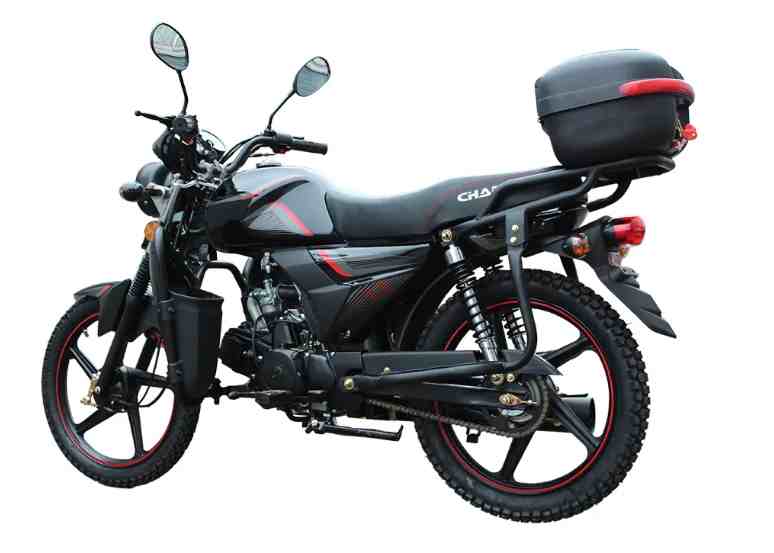
| 150cc | Honda PCX150, CHAMP Dragon Knight | 80–110 | 2.0–3.0 | Commuter to light touring |
| 250cc | Yamaha R25, MT 25, Honda CBR250R | 60–80 | 3.0–4.0 | City + highway |
| 300cc | KTM 390 Duke, Honda CBR300R | 55–75 | 3.5–4.5 | Mixed riding |
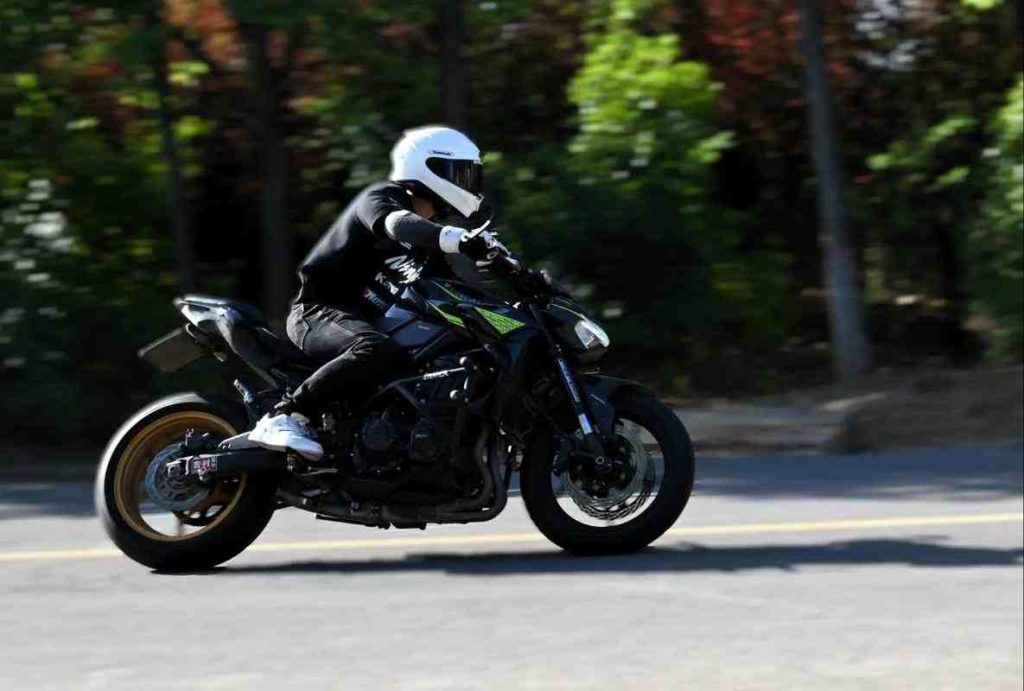
| 400cc | Kawasaki Ninja 400, Kawasaki Z400 | 50–70 | 3.8–5.0 | Highway + sport |
| 500cc | Honda CB500 series, Benelli 502 | 45–65 | 4.0–5.5 | Touring / highway |
From the data, a few points stand out:
- Small-displacement engines (125cc – 150cc): The average fuel consumption is between 2.0 and 3.0. The vehicles achieve their best fuel efficiency performance, which makes them ideal for both urban driving and everyday travel requirements. The 150cc model provides increased power output, which makes it better for traveling long distances.
- Medium-displacement engines (250cc – 300cc): They maintain equal power levels while delivering high fuel efficiency, which enables them to operate effectively in both urban and highway driving situations.
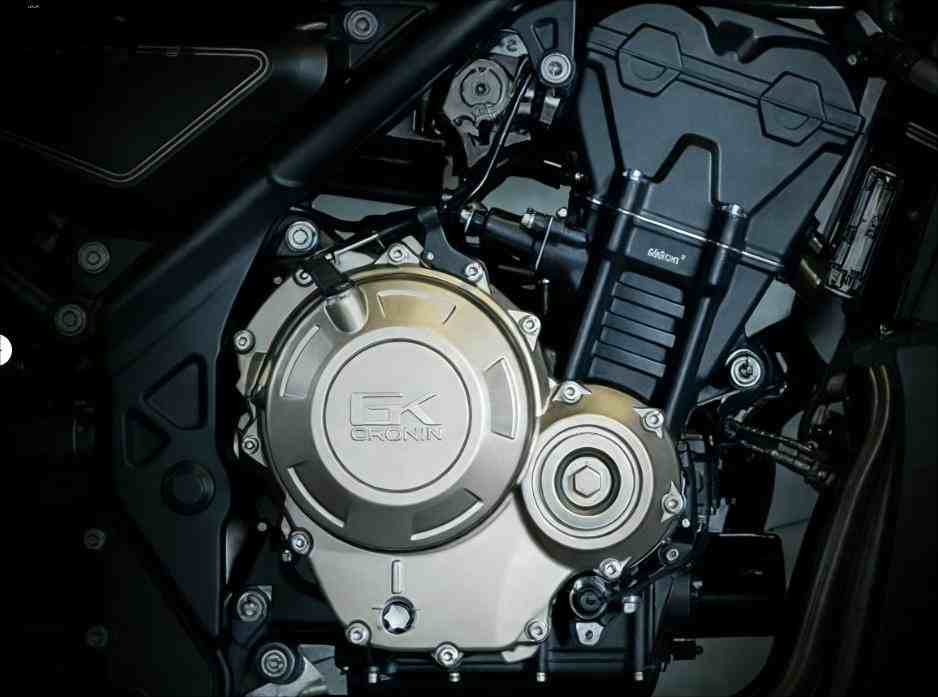
- Large-displacement engines (400cc – 500cc): They provide superior performance and comfortable highway driving. But if these large-displacement engines are used well, they are actually more fuel-efficient than smaller-displacement engines (like Ninja 400 vs. Cayenne 321RR).
This implies that fuel consumption is not directly proportional to the engine’s displacement. Due to the slower cruising speed and better engine tuning, the fuel consumption of the 400cc motorcycle is less than the fuel consumption of the 150cc motorcycle when cruising on the highway.
Why Bigger Motorcycles Don’t Always Consume Much More Fuel
Even though it is true that an engine size affects fuel consumption, there are several other factors which are equally important in this aspect.
1. Engine Efficiency and Load
These small engines may be running at full possible potential while on the move. High RPMs result in low fuel efficiency. Bigger motors may move at lower RPMs, which is a steadier efficiency even over long distances.
2. Gear Ratios and Riding Conditions
Motorcycles are designed with different types of gear ratios. Small bikes may need more revs to cruise on the highway, which will increase fuel consumption per kilometer. Mid-sized and larger bikes have gearing that allows cruising, reducing fuel consumption per kilometer.
3. Fuel Injection and Engine Management
Modern motorcycles include fuel injection systems along with sophisticated engine mapping. This ensures efficient combustion, optimizes air-fuel ratios, and minimizes fuel wastage, independent of engine size.
4. Rider Behavior
Fuel consumption is greatly affected by the riding style. Demands to accelerate or brake hard will always result in high fuel consumption, regardless of the size of the engine used. Riding smoothly may have a wider effect than the size of the engine.
5. Motorcycle Type
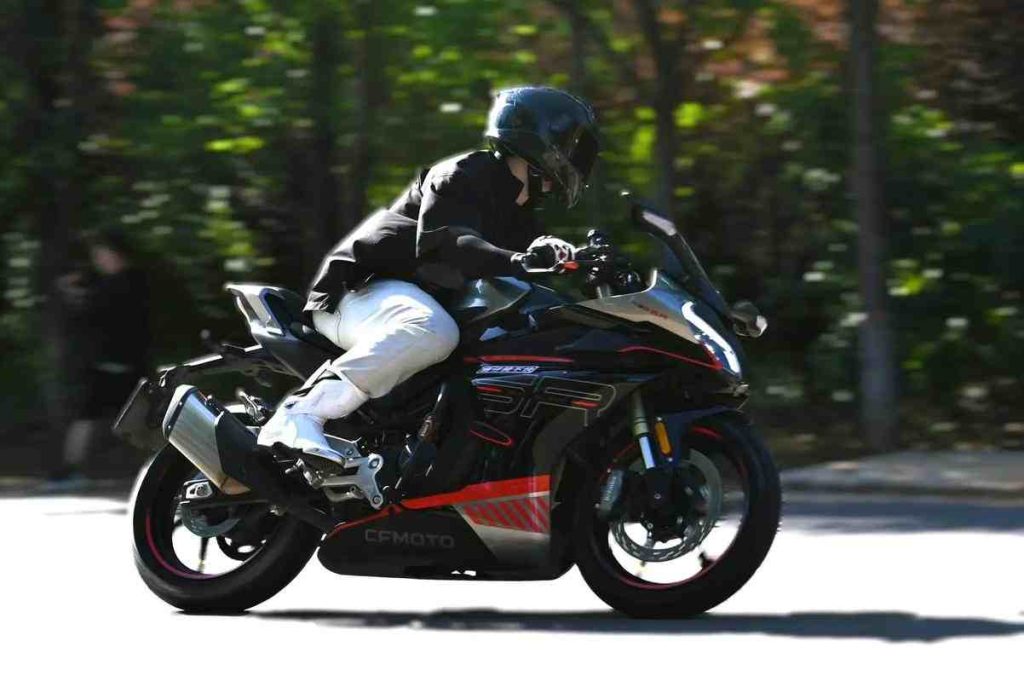
However, other factors come into play, including those of aerodynamics, weights, and tires. For instance, a lightweight commuter bike with a small-sized engine would yield better fuel economy than a heavy sports bike fitted with an identically sized engine. Cruisers and touring bikes, on their part, are designed for ultimate comfort, which may compromise on fuel economy to a certain degree.
How to Balance Engine Size and Fuel Economy When Choosing a Motorcycle
Choosing the appropriate engine displacement requires striking a balance between the riding requirements and the desired fuel efficiency.
For Maximum Fuel Savings
Motorcycles ranging from 125cc to 150cc are suitable for commuting in the city. Such bikes use extremely little fuel.
For Daily Riding with Highway Capability
It has been observed that the power generated in a motorcycle ranging from 250cc to 300cc is sufficient for highway use, and besides that, it also offers appropriate fuel efficiency.
For Performance and Touring
Motorbikes with a capacity of 400cc-500cc provide better comfort, increased power and enhanced stability for extended travel. Fuel efficiency is maintainable when riding smoothly, thereby consuming significantly less than most cars.
It is significant that you choose the right engine capacity to balance fuel consumption with a comfortable driving experience based upon your main use.
How to Reduce Motorcycle Fuel Consumption (Practical Tips)
Nevertheless, most motorcycles, regardless of their fuel efficiency, waste fuel unless they are used “properly.” Some guidelines:
- Smooth Throttle Control: Avoiding sudden acceleration or hard braking to keep fuel consumption low.
- Maintain Steady Speeds: Use appropriate gears for cruising.
- Regular Maintenance: Air filters should be clean, tire pressure correct, and chains lubricated.
- Reduce Weight and Drag: Reducing unnecessary items carried and maintaining aerodynamic positioning will enhance highway rides.
- Ride Efficient Routes: Stop-and-go traffic in cities was also mentioned, which results in more fuel being consumed.
- Use the appropriate fuel and engine oil: the manufacturer’s recommendations will provide optimal efficiency.
Regardless of the displacement of the engine, these techniques can improve fuel efficiency by 10 to 20%.
Related Articles: How to Make Your Motorcycle More Fuel Efficient?
Is a motorcycle with a bigger displacement necessarily fuel-guzzling? The reply is, not necessarily.
Ultimately, fuel consumption is a function of various engine conditions, such as motorcycle type, engine capacity, driving habit, and driving environment. It is therefore important to select a capacity that meets your needs, as well as adopt good driving habits, in order to maximize fuel economy.