Cub Motorcycles: Practical Daily Commuting in Southeast Asia
In Southeast Asia, motorcycles are no longer just a means of transportation but an important tool in the daily lives of millions of people. Unlike in Western countries, where motorcycles are no more than vehicles for pleasure, in Indonesia, Vietnam, Thailand, and the Philippines, motorcycles play an important part in people’s daily activities, ranging from traveling, outings, to doing business.
The commuting environment within the region is very challenging. Traffic is a big problem within urban areas, and roads are still very narrow with a high pedestrian traffic volume. In rural areas, roads may be lined with unpaved roads and potholes, while during the rainy season, there could be floods along the roads. The commuting activity is a daily routine and does not entail short distances. Many cyclists commute between 20 to 50 kilometers a day.
Further, the functions served by the motorcycle are multiple. For example, the rider can carry some passengers, transport groceries, transport goods, as well as use the motorcycle as a means of doing business. In most of the aforementioned functions that the motorcycles perform in their daily operations, the priority is not placed on the functions or the beauty of the product. It is for this reason that the Cub motorcycles are able to dominate the market.

Why Cub Motorcycles Continue to Dominate Daily Commuting
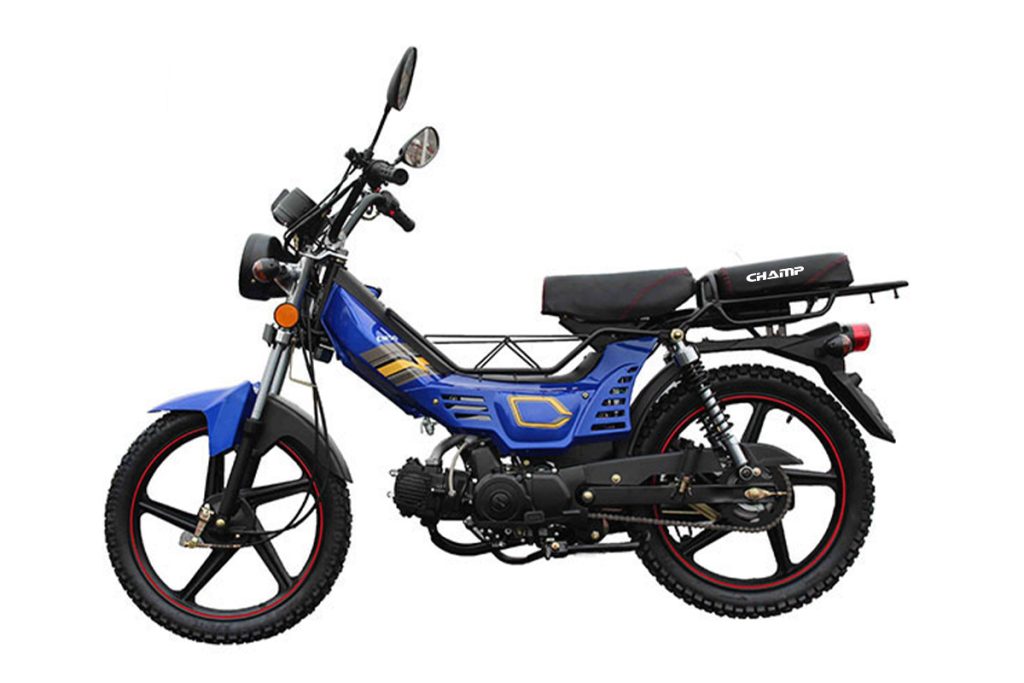
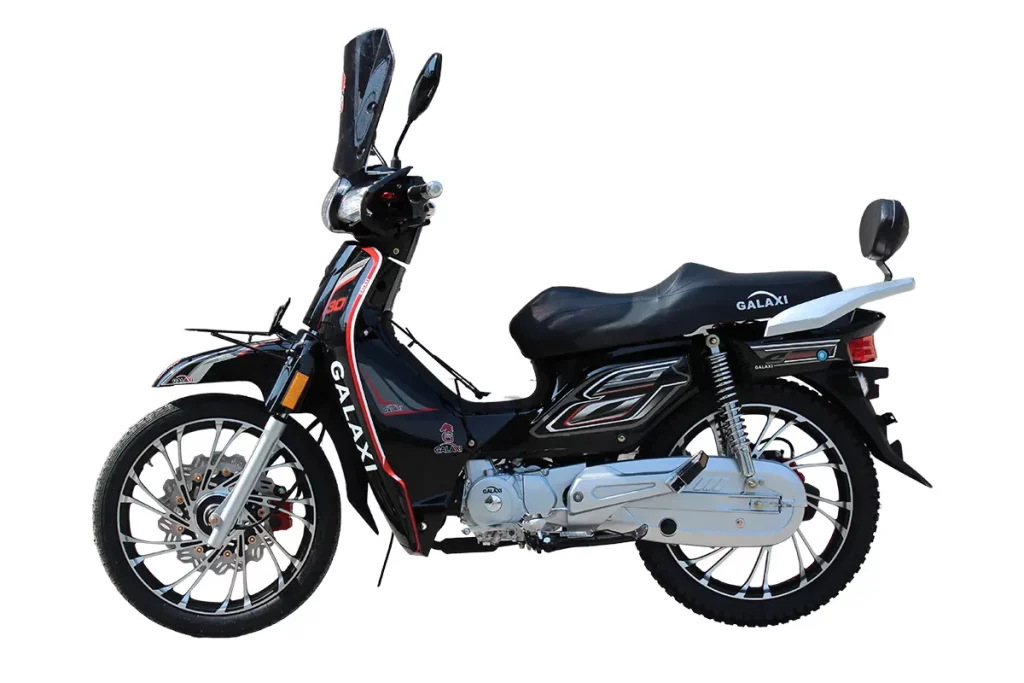
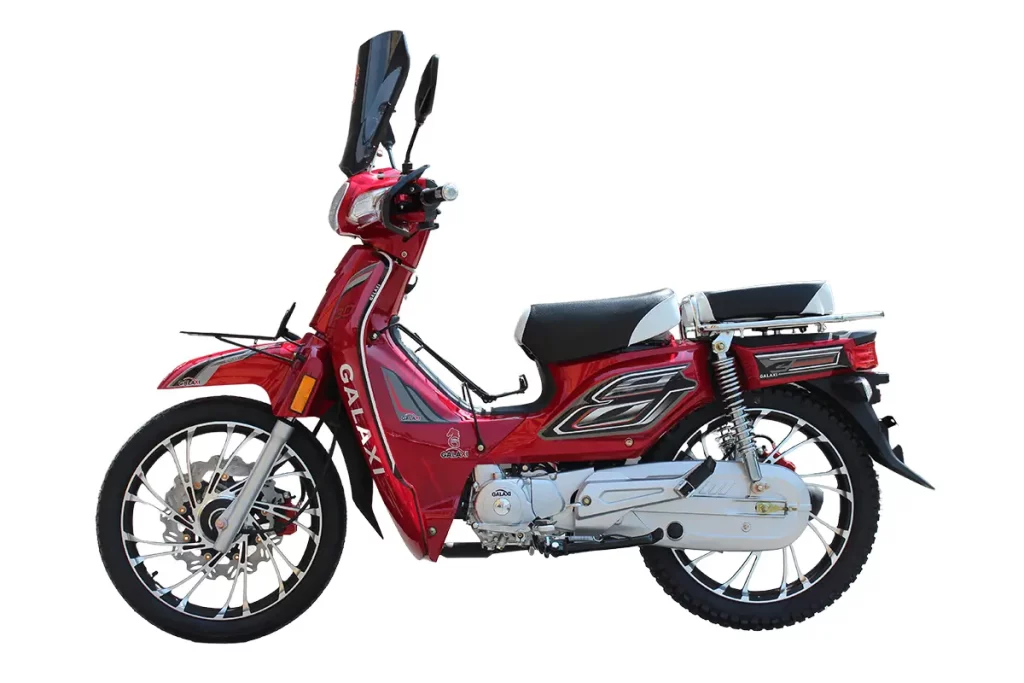
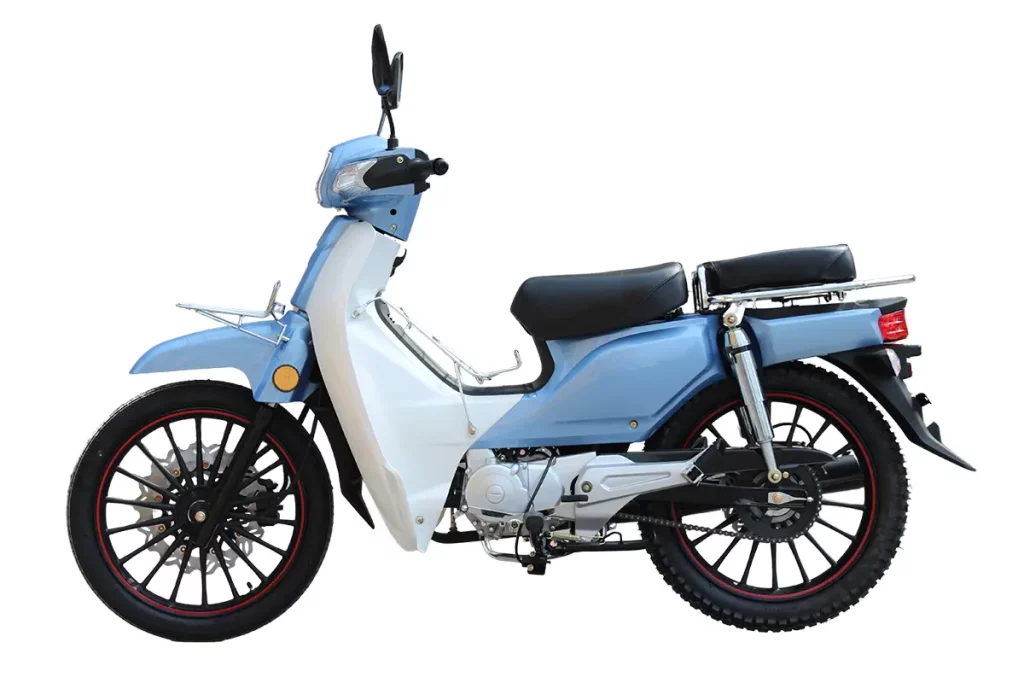
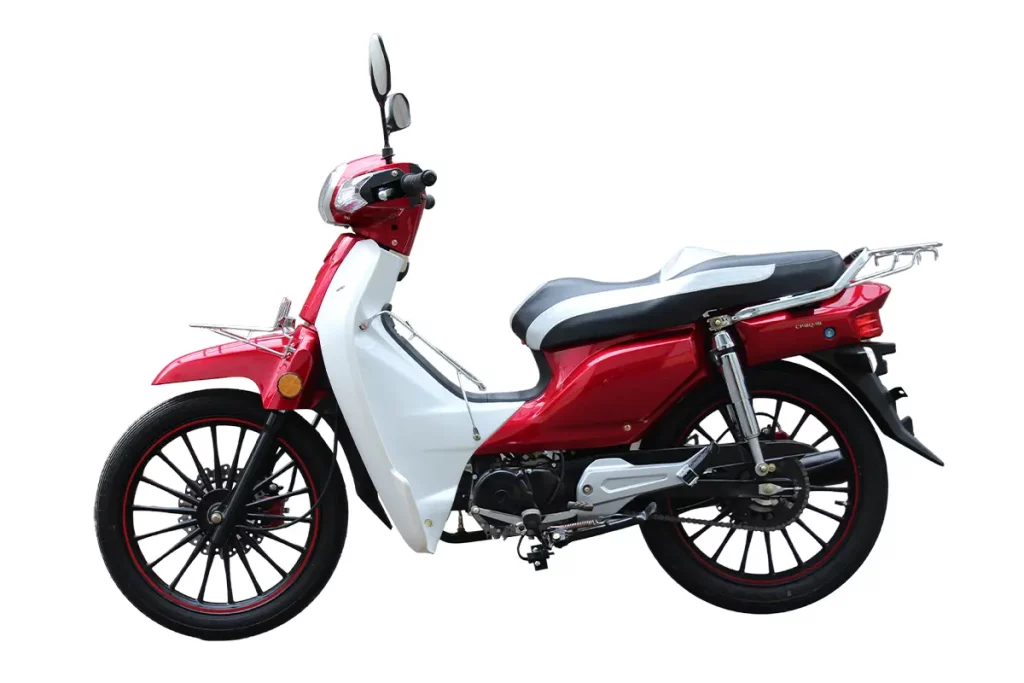
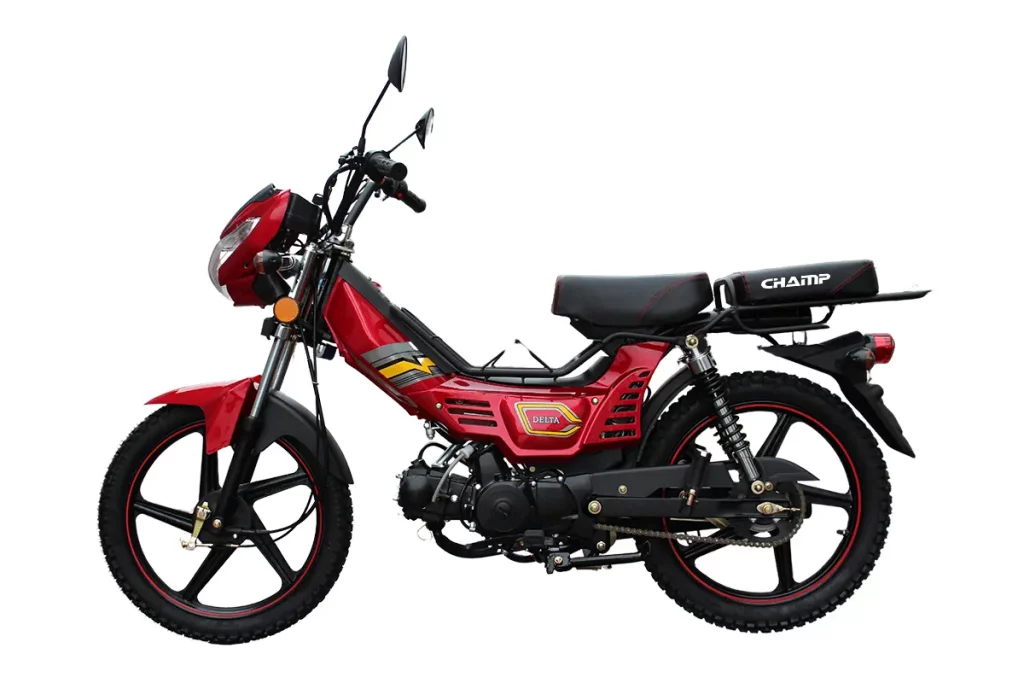
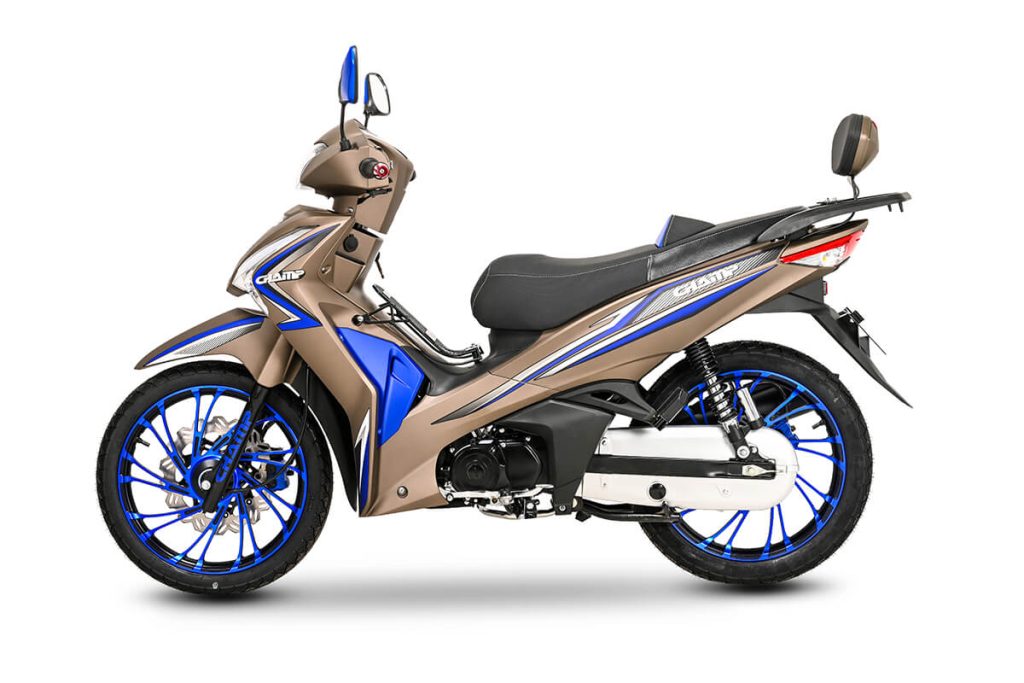
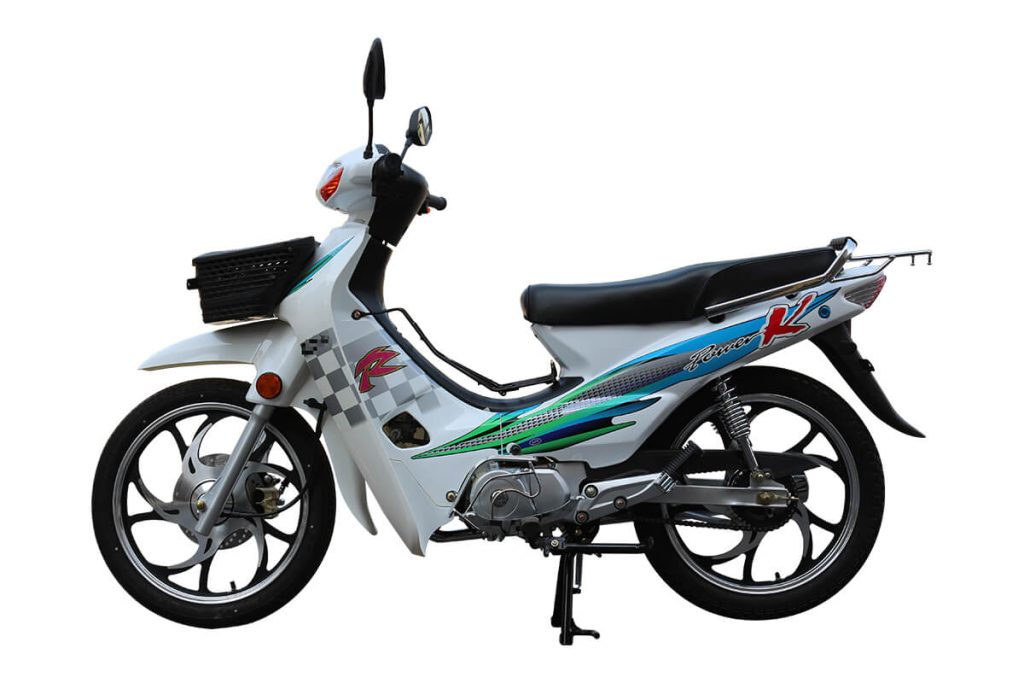
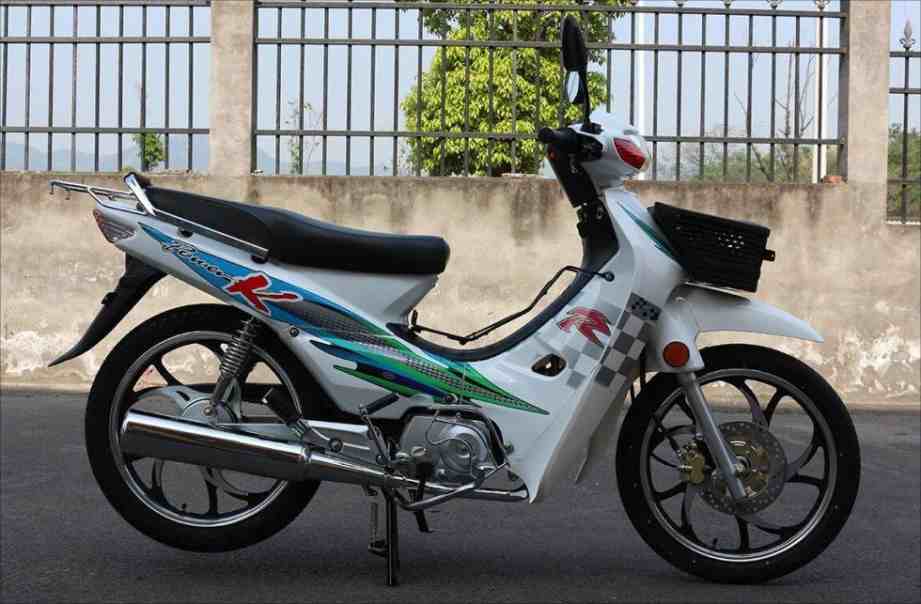
Cub motorcycles, or underbone motorcycles, have kept their place as the most practical option in Southeast Asia due to the combination of their unique features such as design, durability, and price, among others. Three main reasons make Cub motorcycles very commuter-friendly:
Mechanical Durability Under Long-Term Use
Cub motorcycles are designed in a very conservative manner, being simple and robust. Designs like their step-through underbone and semi-automatic clutch-free transmission reduce the number of mechanical bits to lower the chances of breakdowns. Thus, unlike the more complicated motorcycles with advanced electronics, Cub motorcycles have the capability of withstanding long hours every day with just a negligible amount of service time.
Their engines are designed to run well on repeated starts and stops, and on long periods of travel at lower speeds, which is very much suitable for cities and mixed rural routes.
Low Total Cost of Ownership
That at least partially explains why Cub motorcycles remain popular for many years: Efficient fuel consumption, plus parts and routine maintenance are easily available. Spare parts are usually common among the various models; thus, it is much easier to replace them and minimize costs and idle time.
In such terms, taking the TCO into consideration, the Cub motorcycle appears to be much better than many larger-displacement options, thus becoming the most rational choice for economically-minded riders and fleet operators alike.
Load Adaptability for Real-Life Commuting
One of the strong points of Cub motorcycles is handling multi-purpose loads. The frame and suspension of the motorcycle can support passengers and cargo effectively without sacrificing stability. This is particularly important for riders who use their motorcycles for family transport, small business deliveries, or informal commerce. The ability to carry varying loads in safety and comfort separates Cub motorcycles from lighter, less robust commuter bikes.
Related Articles: Is the Cub Motorcyclethe Perfect Choice for Daily Commuting?
Cub Motorcycles Across Different Commuting Environments in Southeast Asia
The Cub motorcycles are quite versatile to ride and perform satisfactorily even in different environments ranging from urban to village settings.

Dense Urban Commuting
Commuters in urban areas require motorcycles that are maneuverable, dependable, and simple to maintain. Cub motorcycles are accustomed to meeting these requirements with their small size, low center of gravity, and ease of control. They help the rider move efficiently in traffic while providing sustained performance under prolonged use.
Suburban and Rural Routes
In contrast to inner-city transporters, riders using Cub motorcycles have to face a combination of both paved and unpaved roads with associated water logging and a lack of repair shops nearby. The simplicity and sturdiness of Cub motorcycles make them well-suited to such operating environments and eliminate concerns of traveling longer distances with the potential for a breakdown.
Commercial-Influenced Daily Use
A motorcycle acts as both an everyday mode of transport for small business owners, food delivery companies, and other vendors and their means for conducting their operations. When it comes to endurance, carrying capacity, and operating costs, the Cub motorcycles stand out as the best option for such multiple-use, functions whether it is parcel delivery in a densely populated business area or rural goods transport.
Cub Motorcycles vs Other Commuter Options: Why Practicality Still Wins

Although scooters, automatic commuter motorcycles and large-displacement motorcycles are becoming increasingly popular, Cub motorcycles maintain a competitive edge thanks to their practicality. Unlike those complex motorcycles that may offer higher top speeds, more advanced electronic equipment or a more aesthetically pleasing appearance, Cub motorcycles focus on the fundamental attributes that are most valued in Southeast Asia:
- Reliability: fewer electronics and simpler mechanics reduce the likelihood of breakdowns.
- Maintainability: spare parts are widely available, and most repairs can be performed quickly and inexpensively.
- Versatility: suitable for single or dual passengers, carrying cargo, or serving small business purposes.
In short, practicality, rather than sophistication, dictates the long-term success of Cub motorcycles in the region.
Structural and Configuration Factors That Make Cub Motorcycles Suitable

The enduring appeal of Cub motorcycles is not only due to engine and mechanical simplicity but also to thoughtful structural and configuration features that meet Southeast Asian commuting demands:
Frame Strength and Suspension
Cub motorcycles are designed with reinforced frames and durable rear suspension systems capable of handling varying loads without compromising stability or rider comfort.
Related Articles: Cub Motorcycles Explained for Modern Riders
Practical Commuting-Oriented Components
Many models include rear luggage racks, extended mudguards, and non-slip footrests—features that improve usability and safety for daily commuting and cargo transport.
Weather and Environmental Adaptation
Rain, humidity, and frequent cleaning are part of daily motorcycle use. Water-resistant electrical components, protective covers, and durable body panels ensure that Cub motorcycles remain operational under harsh environmental conditions.
In Conclusion
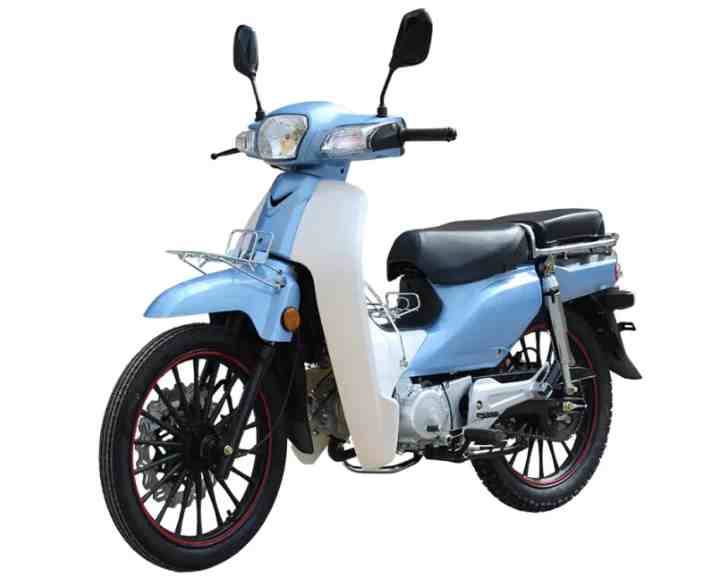
In Southeast Asia, motorcycles, being a mode of commuting, are not rated for speed and sophistication, but for functionality and cost efficiency. The Cub motorcycle outperforms in every respect, with ruggedness, carrying capacity, and ease of operation being characteristics that are difficult to match by other commuting aids.
Whether it is navigating through crowded urban roads or riding through a mix of urban and rural terrain, or assisting in small business operations, the Cub motorcycle has always remained a mainstay of two-wheeler transport in Southeast Asia. As a choice of transport for riders and motorbike dealers, a Cub motorcycle is not a matter of choice but a rational consideration based on specific commute requirements.