Why Beginners Should Move from Single-Cylinder to Four-Cylinder Motorcycles?
Choosing the right motorcycle is very important for many novice motorcycle riders. In the market, there exist single and double-cylinder motorcycles and four-cylinder motorcycles. However, many motorcycle owners and experienced riders propose that beginners should start with single-cylinder motorcycles, gradually upgrading towards four-cylinder motorcycles. This article will explain the reasoning behind such suggestions and exactly when the beginner should consider an upgrade.

Single-Cylinder vs Four-Cylinder Motorcycles: What’s the Real Difference?
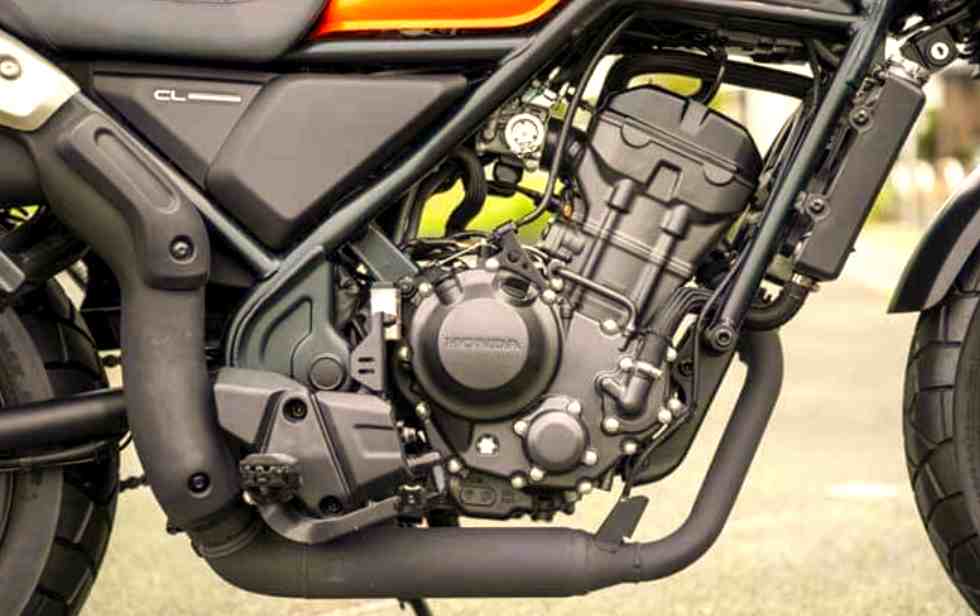
First, let’s take a look at the differences between single-cylinder motorcycles and four-cylinder motorcycles. The core of every motorcycle lies in its engine configuration. Although there are many types of engines, single-cylinder and four-cylinder engines represent two completely different riding experiences.
- Power Delivery
- Single cylinder: Low torque and strong power, very suitable for urban cycling and low-speed handling. The power output is direct, but it is limited at high speeds.
- Four-cylinder: The power output is smoother and more linear, especially in the medium and high speed range. This type of engine performs well when driving on highways and at high speed.
2. Vibration and Smoothness
- Single-cylinder: Due to having only one piston, the vibration is relatively large, especially at high speeds.
- Four-cylinder: Extremely smooth; Multiple pistons are balanced with each other, resulting in less vibration.
3. Weight and Handling
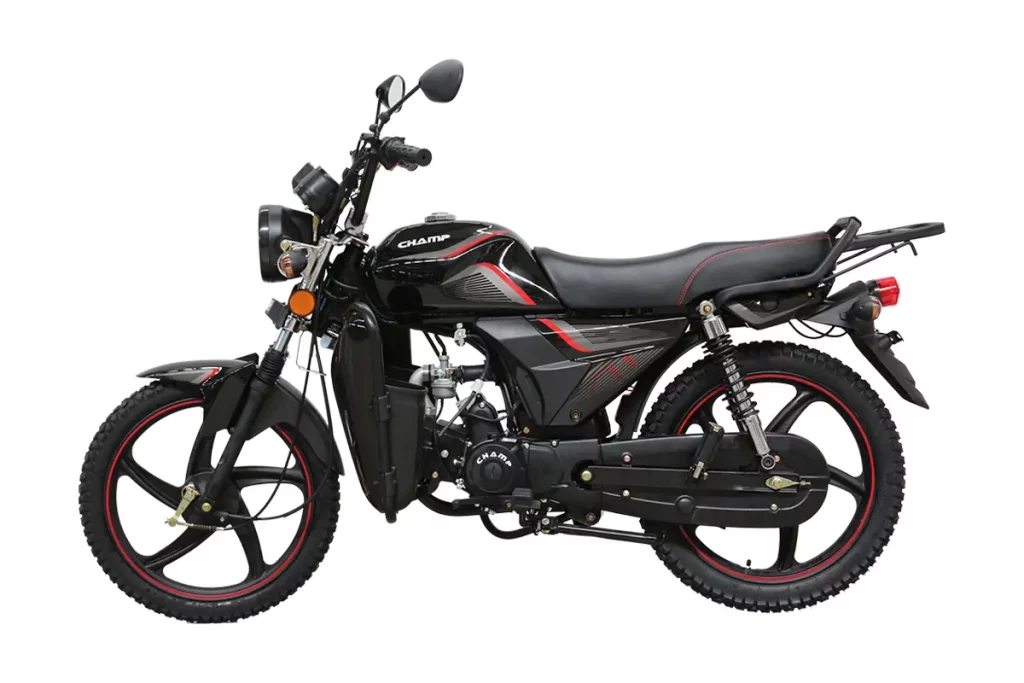
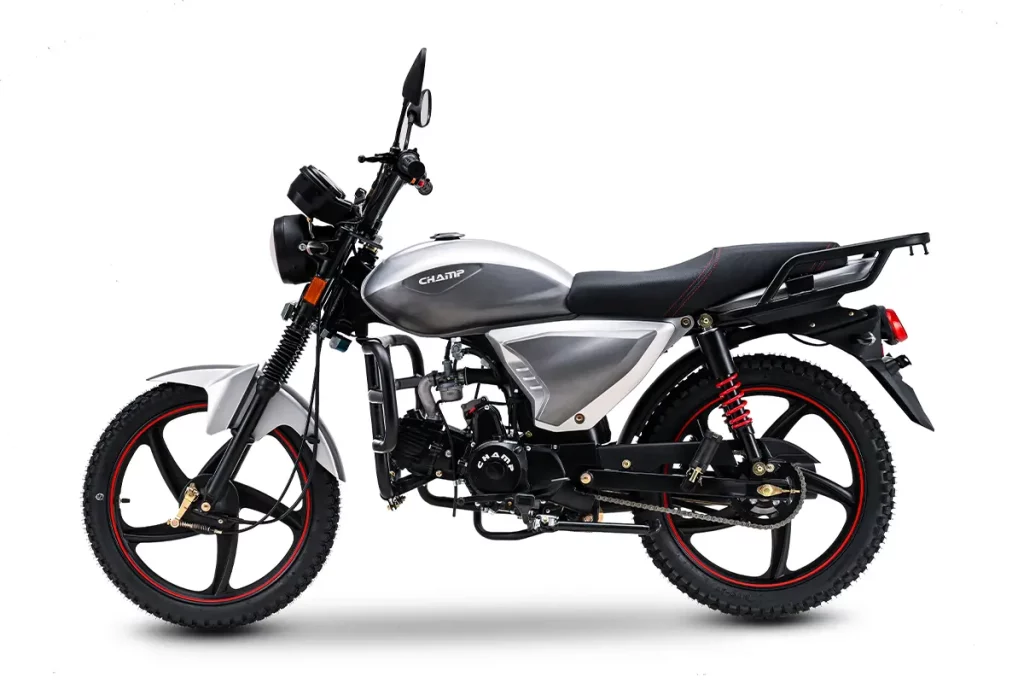
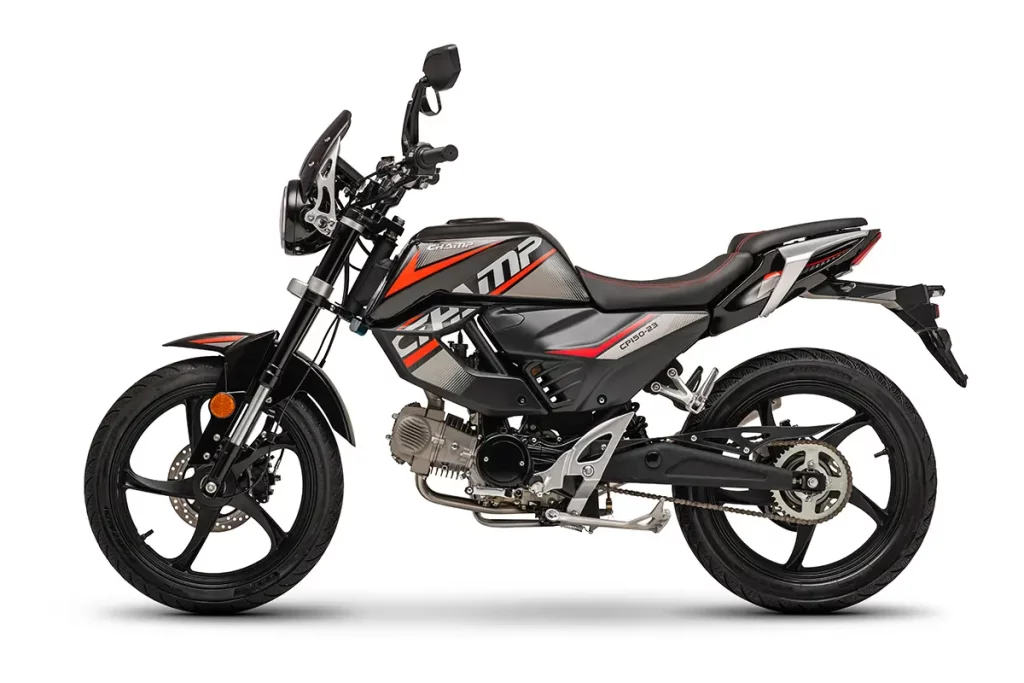
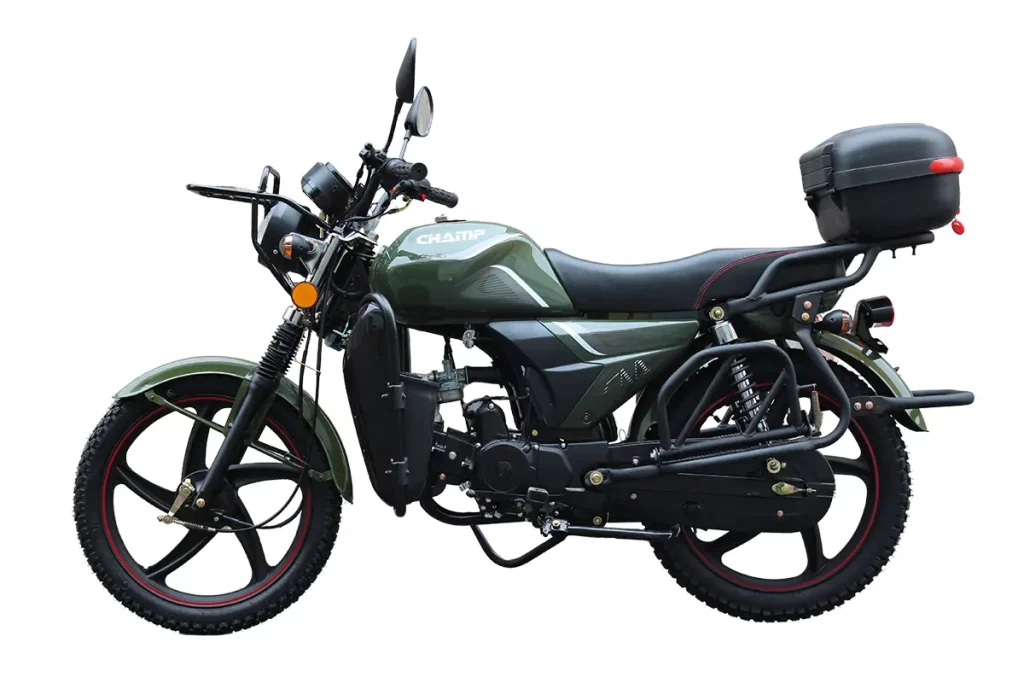
- Single-cylinder: Lighter in weight, easier to handle, suitable for beginners.
- Four-cylinder: The vehicle body is relatively heavy, but due to better weight distribution, it is more stable when driving at high speeds.
4. Sound Waves and Riding Experience
- Single cylinder: Deep and rich sound, abundant torque – perfect for medium and low-speed riding.
- Four-cylinder: The signature high-revving roar; It excites sports cycling enthusiasts.
5. Maintenance and Fuel Efficiency
- Single-cylinder: Lower maintenance costs, fewer parts, and lower fuel consumption.
- Four-cylinder: It has more parts and relatively higher maintenance costs.
Understanding these core differences helps beginners make wise choices and also enables them to clearly understand what problems they will encounter after upgrading and replacement.
Advantages of Single-Cylinder Motorcycles: Why They Are Perfect for Beginners
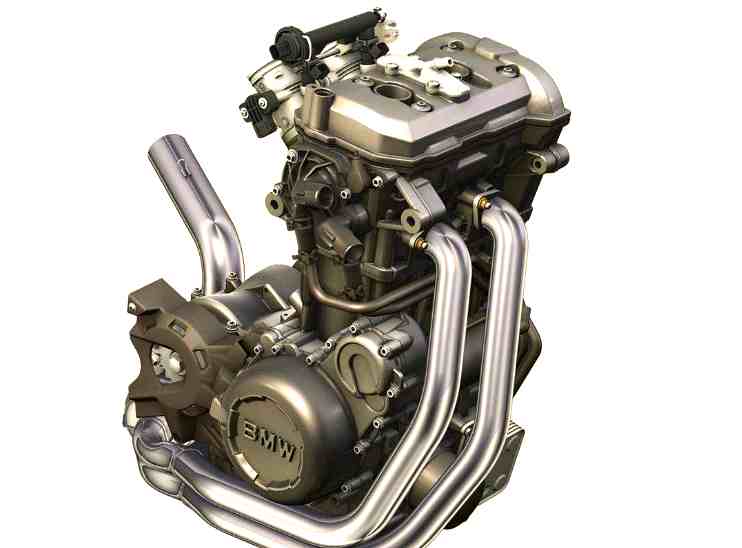
Almost all motorcycle schools and beginner’s guides recommend that beginners start with single-cylinder motorcycles, and this is not without reason. Here are the reasons why they are ideal learning motorcycles:
Lightweight and Easy to Control
For beginners, the horizontal bar motorcycle is lighter and easier to operate. Lightweight motorcycles can reduce the fear of novice riders, improve balance and make low-speed handling easier.
Economical Purchase and Maintenance
The initial cost of single-cylinder motorcycles is usually low. Changing engine oil, spark plugs and daily maintenance are also simpler and cheaper.
Friendly Power Delivery
They can provide immediate torque without generating excessive power, making them very suitable for beginners practicing throttle control or urban commuting.
Higher Confidence and Forgiveness
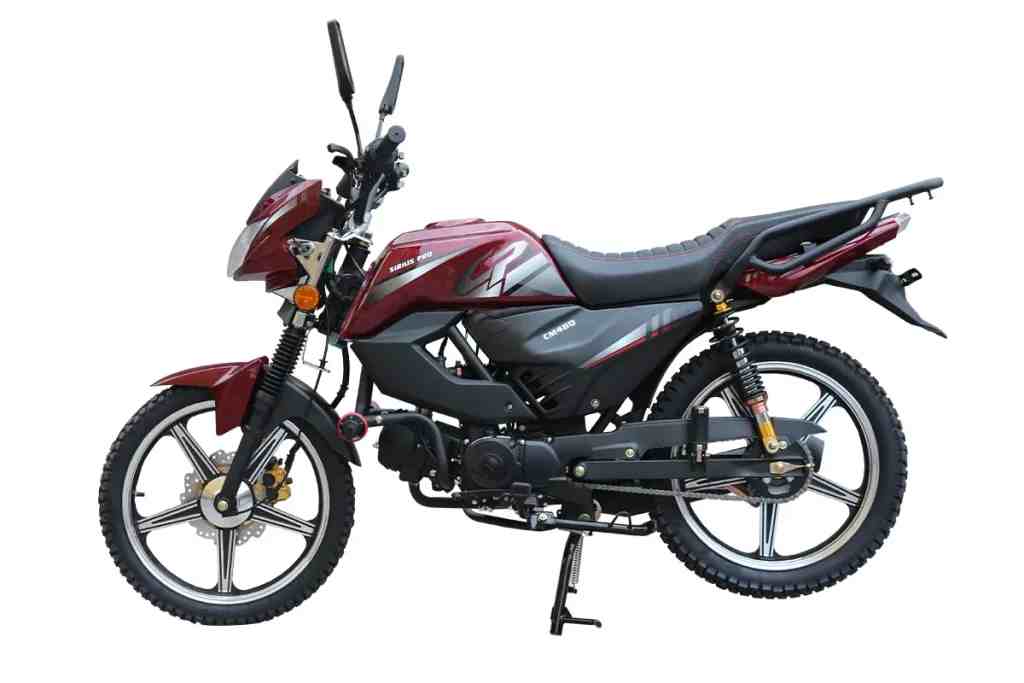
Beginners are bound to make mistakes – stalling the engine, sudden braking, suddenly stepping on the accelerator, and so on. Single-cylinder motorcycles have a higher tolerance for the rider’s mistakes.
Perfect for Daily Use
Short-distance commuting, urban environments and medium and low-speed riding are the advantages of single-cylinder motorcycles.
These advantages make single-cylinder motorcycles a wiser choice for most beginners to get started.
Related Articles: Single Cylinder Motorcycles: Are They Still Worth It in 2025?
Limitations of Single-Cylinder Motorcycles: Why You’ll Eventually Want More
Although single-cylinder motorcycles are very suitable for beginners, many riders will feel that they are not enough after accumulating experience. Its limitations include:
Limited High-Speed Performance
Single-cylinder engines lack power at speeds of 100 to 120 kilometers per hour. The vibration increases, the power output tends to level off, and the engine feels strained.
Less Stability for Long-Distance Riding
Highways and long-distance rides will expose the demand for greater power, smoother performance and more complete equipment – which are precisely the shortcomings of single-cylinder motorcycles.
Reduced Fun Factor for Advanced Riding
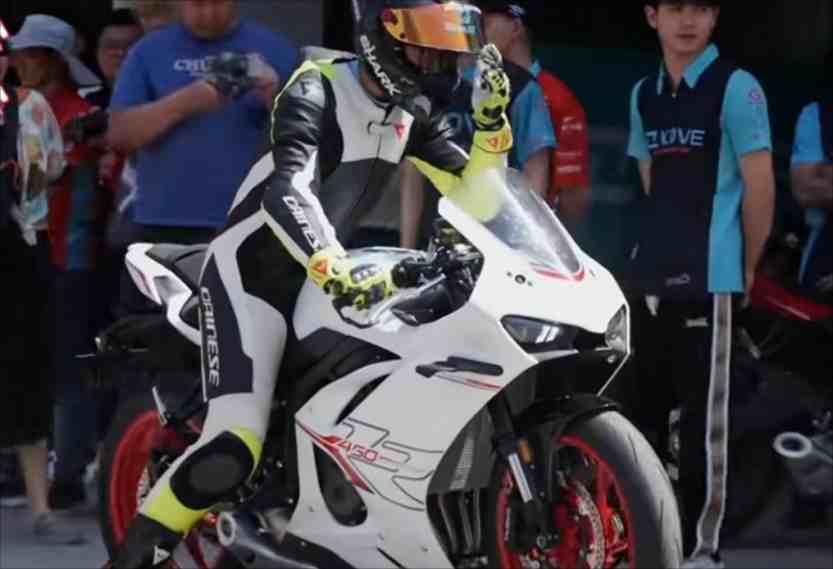
Once riders build up confidence, they may long for:
- A smoother acceleration
- Cornering stability
- The excitement brought by higher rotational speeds
Single-cylinder engines cannot offer the same driving experience as four-cylinder engines.
Lower Component Quality
Entry-level motorcycles usually come with relatively simple suspensions, brakes and frames. Upgrading motorcycles can bring riders a better and safer riding experience.
These restrictions make the upgrade both natural and beneficial.
When Should a Beginner Move from a Single-Cylinder to a Four-Cylinder?
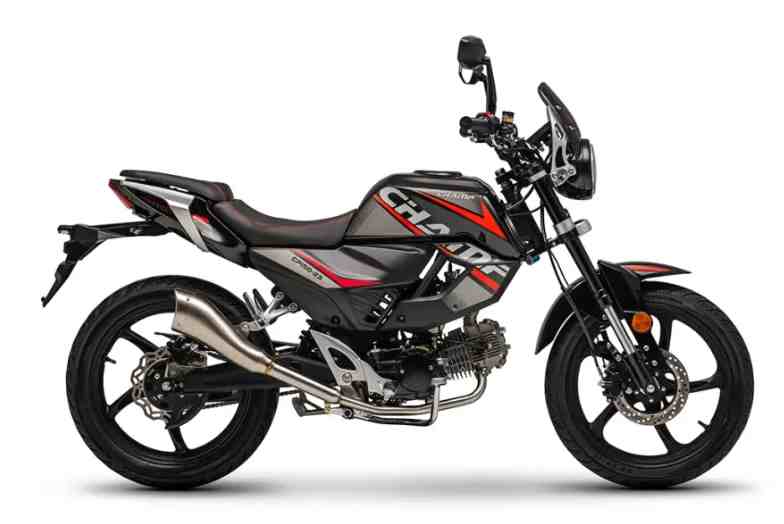
Upgrading is not about pursuing horsepower, but depends on whether one is well-prepared. Riders may consider upgrading when they meet the following conditions:
- Strong Bike Control Skills
If you can:
- Control the throttle smoothly
- Brake precisely
- Take the corner with confidence
You are ready to embrace even stronger momentum.
- At Least 6 months to 2 years of riding experience
It depends on your cycling frequency, confidence and cycling environment.
- Clear cycling goals
If you have the following needs, you may consider upgrading to a four-cylinder motorcycle
- Highway commuting
- Weekend sports cycling
- Long-distance travel
- Participate in the Track Day in the future
- Be capable of handling heavier motorcycles
Four-cylinder motorcycles are heavier, so it is crucial to maintain comfort during low-speed driving and emergency braking.
If the above conditions are met, the upgrade is safe, reasonable and beneficial.
Recommended Upgrade Path: From 150cc to 600cc
Every rider’s growth is different, but the following roadmap works for most:
| Riding Stage | Engine Type & Displacement | Typical Characteristics | Suitable For |
| Beginner Stage | 150cc – 250cc (Single Cylinder) | Lightweight, easy handling, low cost, beginner-friendly torque | First-time riders, city commuting, basic skill building |
| Progression Stage | 300cc – 400cc (Twin Cylinder) | Smoother power, better stability, improved highway capability | Riders with basic experience seeking more performance |
| Intermediate Stage | 500cc – 600cc (Four Cylinder) | High-RPM excitement, refined power delivery, stronger braking and suspension | Riders ready for touring, highway riding, or sport riding |
Related Articles: Motorcycle Engine Displacement Explained: From 50cc to 1000cc+
Choosing the Right Motorcycle for Your Riding Level

By starting with lower-level single-cylinder motorcycles, beginners can gradually adapt to all aspects of riding, including driving skills, engine noise and vibration, as well as maintenance and repair costs. In this way, when they eventually transition to more powerful and expensive four-cylinder motorcycles, they will be more confident and proficient.
If you are not sure which engine type or displacement is suitable for your riding level, share your experience, riding habits and preferred style, and we can help you find the perfect motorcycle. No matter which stage of your cycling journey you are at, there is always a model that matches your skills and elevates your passion for cycling to a new level.