125cc vs 150cc Dirt Bike: Is the 25cc Extra Worth the Price?
Compared to the current small-displacement scooter motorcycles, the differences between the 125cc and 150cc dirt bikes on the market are not significant. The reason for this is that the positioning of these models has not changed much and they still exist as commuter vehicles, suitable for daily commuting.
From the data, the difference between the two is only 25cc. However, in practical use, this additional displacement still has some differences in terms of vehicle acceleration, climbing power, handling, and even the fatigue level after riding. This article will analyze the aspects of performance, riding experience, and practical application scenarios to help you decide whether this additional 25cc is worth it.

The “25cc Gap”: Breaking Down the Real-World Power Difference
First of all, regardless of whether it’s the same brand or different brands, the 125cc and 150cc dirt bikes generally have similar appearances. Even many of their components are shared, such as the frame structure and many of the basic configurations are exactly the same. The only difference is the 25cc in the engine displacement. The main differences lie in torque output, low-speed power, and engine load. These factors will affect:
- Climbing ability
- Throttle response
- The degree of fatigue from long-distance cycling
- Confidence in operating in complex terrains
For riders with smaller frames or lighter weights, the 125cc motorcycle feels agile and lightweight, but requires higher skills to reach its full potential. While the 150cc motorcycle offers greater torque and smoother acceleration, providing riders with a more abundant power reserve, thus enabling them to better handle hills, obstacles and longer off-road sections.
125cc vs 150cc Dirt Bike Performance Comparison
Before delving into the detailed experience, let’s first take a look at the side-by-side specifications comparison of typical vehicles for each engine size:
| Specification | 150cc Dirt Bike (KTM 150 SX / Honda CRF150R) |
| Engine Type | Single-cylinder, 4-stroke |
| Horsepower | 11–15 hp |
| Top Speed | 55–65 mph (88–105 km/h) |
| Weight | 80–95 kg (176–209 lb) |
| Fuel Consumption | Slightly higher |
| Torque | Noticeably stronger |
| Seat Height | 850–880 mm |
The specifications appear similar, but the distinction in terms of torque and power is where most users will experience a different riding style.
Acceleration & Top Speed
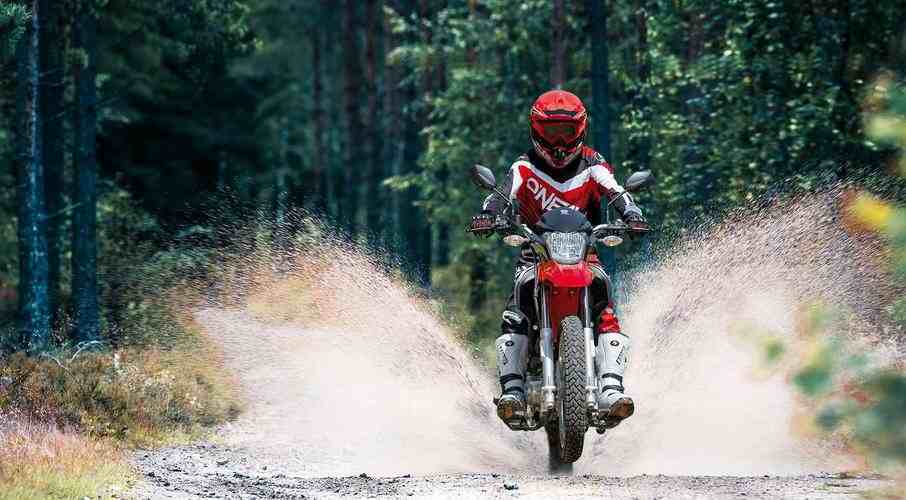
With regard to acceleration, the 125cc is slightly less powerful but very responsive at higher RPMs. The rider has to use the clutch and the accelerator more effectively to get the most out of the bike. Therefore, it is a very good bike for practicing the use of the accelerator smoothly.
Related Articles: How Fast Does a 125cc Dirt Bike Go? Speed Explained for Beginners
The 150cc has faster acceleration from a standstill and greater top speed, and this is more noticeable in open trails or during jumps. The 150cc is better for adult riders or those who are a bit heavier, as this has less strain and more power.
Related Articles: 150cc Motorcycle Top Speed: How Fast Can a 150cc Bike Really Go?
Hill Climbing & Torque Feel
One of the differences is quite clear when faced with a challenge like climbing hills.
- 125cc bikes: More clutch work is needed with gear changing when climbing steeper hills. More engine revs may be necessary.
- 150cc bikes: More torque is produced at low engine speeds, making climbing easier with fewer chances of engine stalling.
Power Delivery Differences

Power delivery is where a rider truly feels the difference:
- 125cc: High-revving, linear, and responsive. Encourages precise clutch and throttle control. Perfect for building skills.
- 150cc: Torque-assisted, smooth, and forgiving. Easier for beginners or heavier riders to ride confidently without constantly modulating the clutch.
In practical terms, a 125cc rider must actively manage the engine to maintain speed, while a 150cc rider benefits from extra “power buffer”, which can prevent stalls and make trails feel more manageable.
Riding Effort & Fatigue
Another important aspect is that of fatigue:
A 125cc bike demands constant input with regard to the gears, clutch, and even the throttle. This can be quite tiring for an adult over a long distance.
A 150cc bike requires less input with regards to gears, climbing, and even obstacles. This means that a heavier or even a taller rider can have a more enjoyable experience with fewer fatigue issues.
The extra 25cc doesn’t just add power — it reduces physical strain, especially in challenging terrain.
Terrain Versatility
Both engine sizes handle trails, but there are differences:
- 125cc: More playful and nimble. Excels on tight trails and technical sections. Lightweight design helps beginners learn bike control.
- 150cc: More versatile across different terrains — sand, mud, or mixed trails. Better suited for riders who want a bike that grows with their skill and can handle larger trails or more aggressive terrain.
Who Should Choose a 125cc Dirt Bike?
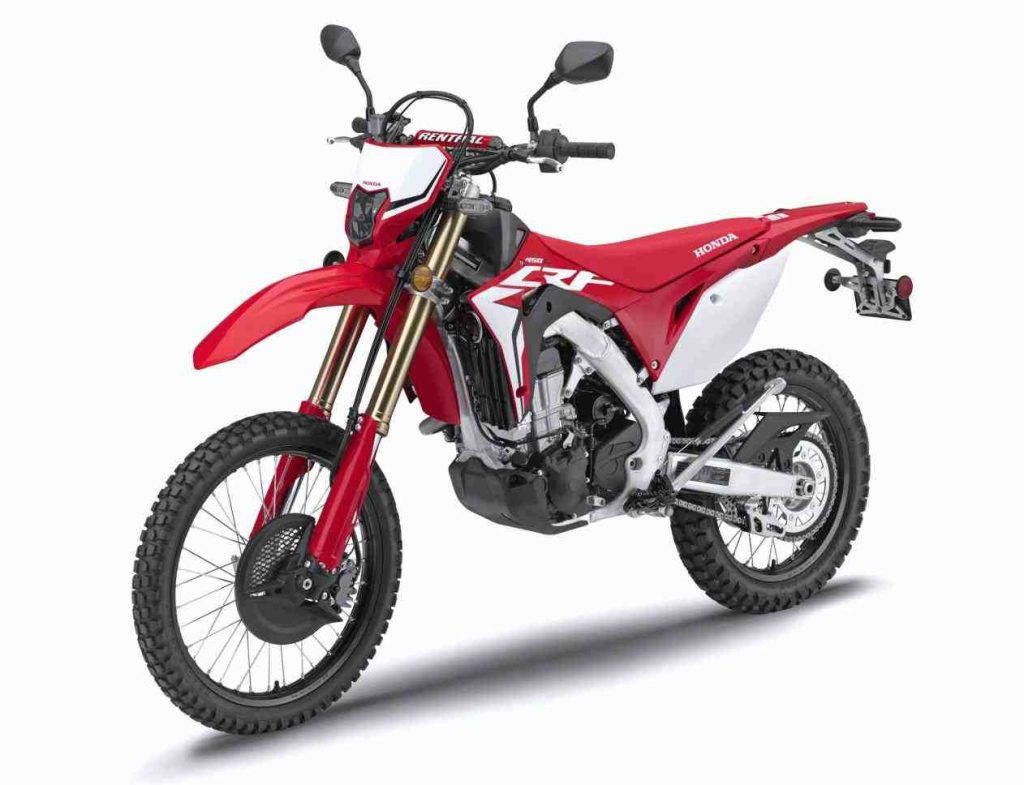
A 125cc dirt bike is ideal for riders who prioritize learning, control, and light handling:
- Teens or younger riders
- Smaller riders
- First-time riders focused on skill development
- Riders who prefer tight trails or technical terrain
- Budget-conscious buyers
Example models:
- Honda CRF125F
- Yamaha YZ125
Lightweight feel, lower maintenance cost, and a learning-focused riding style make 125cc bikes perfect for building confidence and technique.
Who Should Choose a 150cc Dirt Bike?
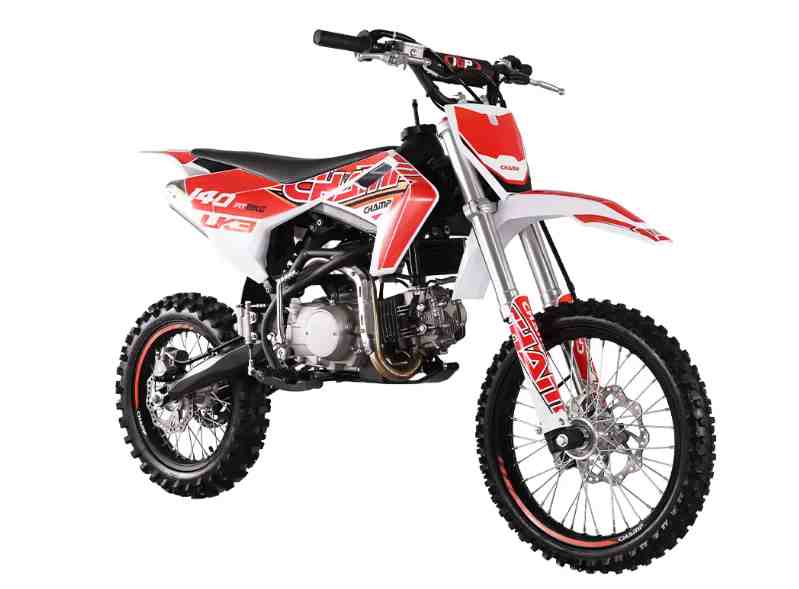
A 150cc dirt bike is better for riders who need more torque, versatility, and long-term usability:
- Adult beginners
- Heavier riders
- Riders tackling hills or longer trails
- Riders who want a bike that lasts as they improve
- Riders looking for smoother, less demanding power delivery
Example models:
- KTM 150 SX
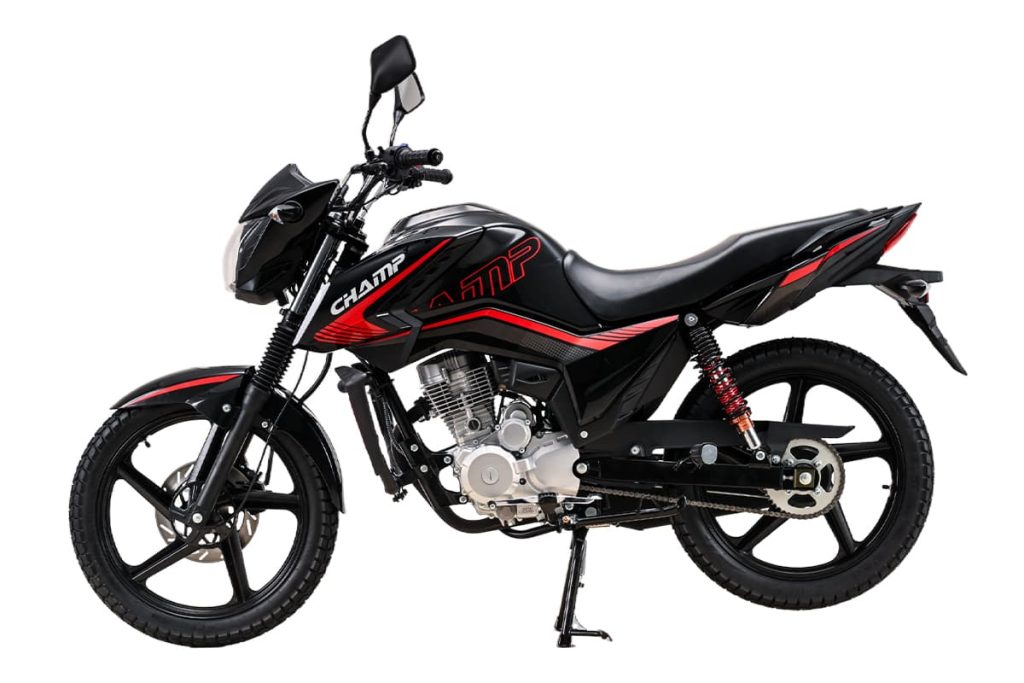
- CHAMP CP150PY-17
- Honda CRF150R
More forgiving power, extra torque for hills, and greater performance versatility. Perfect for riders who want a bike that grows with them.
Is the 25cc Extra Worth the Price?
Whether the extra 25cc is worth it depends on your rider profile and goals:
- Adult beginner or heavier rider: Often yes — 150cc reduces effort and fatigue.
- Pure beginner or teen: 125cc is sufficient and helps develop control skills.
- Looking for one bike to grow with: 150cc is safer.
- Budget sensitive: 125cc remains a great entry point.
The extra 25cc is not just a number — it’s about how much effort you need to ride comfortably and confidently.