Traveling on a Motorcycle Long Distance: What to Do When Your Bike Breaks Down
During a long-distance motorcycle trip, the motorcycle suddenly broke down halfway. What should I do?
I once believed that as long as I planned the route carefully and brought all the necessary equipment, everything else would fall into place naturally. However, my motorcycle broke down during a long journey. That moment completely changed my perspective on long-distance motorcycle trips. When you are far from home, away from familiar roads, and your motorcycle suddenly stops working, all the theories become useless. What remains are your judgment, your preparation, and your reaction under pressure.
This article will combine my own experiences and insights from my recent motorcycle touring trips to elaborate on this topic. I hope it can provide some tips for long-distance motorcycle travel for beginners.
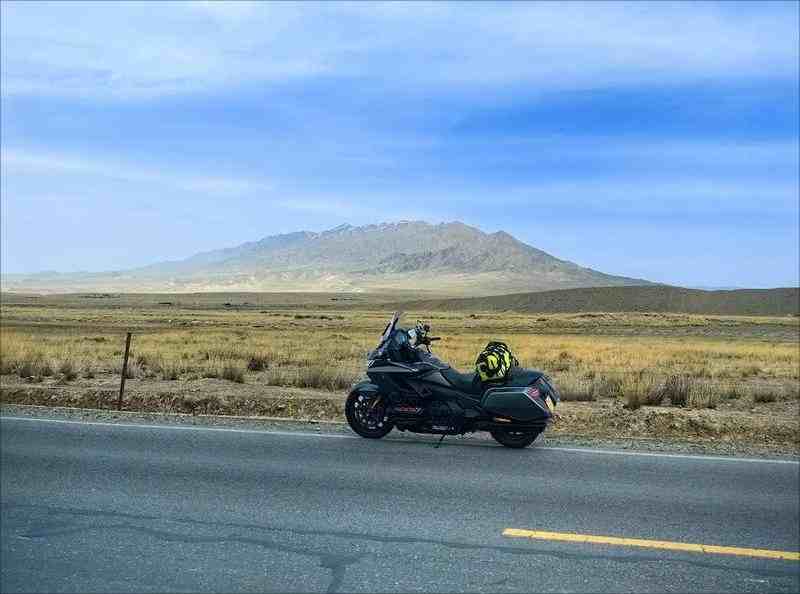
Why Motorcycles Break Down During Long-Distance Travel
When people think of motorcycle malfunctions, they often imagine catastrophic engine failures. However, in fact, the majority of problems encountered during long-distance rides are far more common and easier to prevent.
Motorcycle Quality and Mechanical Issues
Even with proper maintenance, the motorcycle can fail during extended travel. Long periods of constant speed, continuous vibration, overheating, and sustained load all put pressure on those components that have rarely been tested in short-distance rides.
Those small issues that are usually easily overlooked during the daily routine of commuting may include loose screws, old hoses, and low battery power, which can all potentially become real issues following the traveling long distances on a motorcycle journey. There are no necessarily new issues created during a long motorcycle ride; they just bring out the vulnerabilities that exist.
The essential thing here is this: Irrespective of the name, size, or reputation of the bike, no motorcycle can come out.
Human Factors: Mistakes Riders Often Make
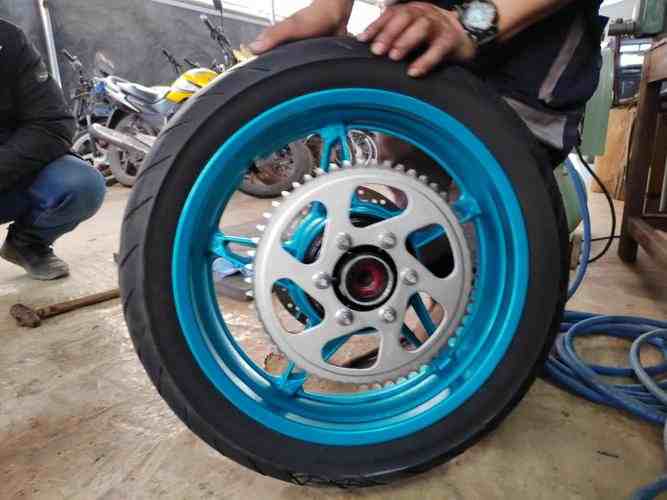
Based on my experience, road problems caused by human error are more common than those resulting from mechanical failures.
This is mainly reflected in not properly maintaining vehicles on a regular basis, not checking the vehicle condition and thus causing vehicle breakdowns (such as not refueling, not checking the worn-out chain, not replacing the brake pads in time, which leads to brake failure, etc.), as well as accidents caused by incorrect driving behaviors that result in vehicle damage (such as fatigue driving, not following traffic rules and running red lights, speeding, illegal overtaking, etc.)
External Factors: Weather, Roads, and Accidents
Some malfunctions are indeed beyond your control. It has nothing to do with the quality of the vehicle. The driver was driving normally, but an unexpected event caused the vehicle to break down.
For example, flat tires are the most frequent problem experienced during a motorcycle journey over a distance; extreme weather conditions that result in damaging the vehicle; getting diverted by strong winds and having the vehicle turn over as a result of a mudslide, and so on; or getting suddenly overturned by animals; minor accidents or turning over can result in the bending of parts or leakage of fluids, which will render it unsafe to proceed with the journey.
A long-distance motorcycle trip means accepting the uncertainties that may arise during the journey.
How to Reduce the Risk of Motorcycle Breakdowns Before You Leave
When it comes to long journeys, although not all people who travel may know how to repair motorcycles, not all people may know much about motorcycles, and not all vehicle breakage takes place at a time when someone is around. However, by following these steps, we can reduce the probability of motorcycles getting damaged.
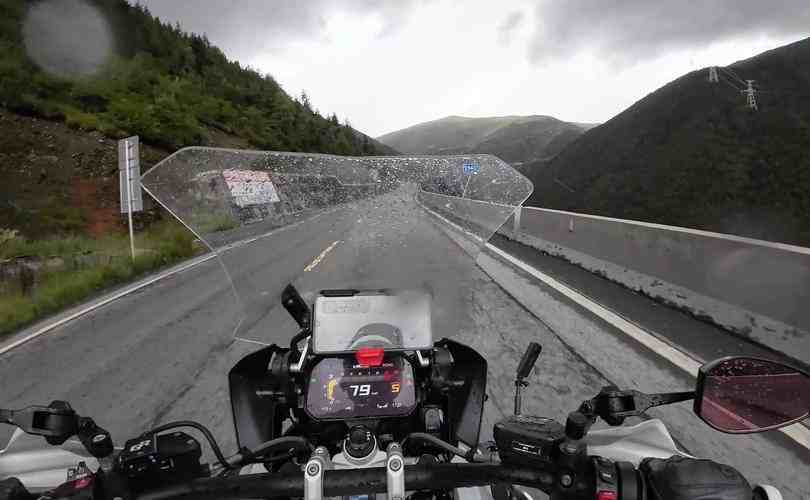
- Choose a reliable motorcycle brand: When choosing a motorcycle for travel, opt for well-known major motorcycle brands with good quality. The same components, because of exposure to wind and sunlight, have more durable materials on the motorcycles of renowned brands.
- Regular Maintenance: According to the performance of the motorcycle, on time maintenance should be performed on the vehicle, including the replacement of the engine oil, the chains, brake pads, spark plugs, etc. It is best to have it maintained at a professional repair shop, where the inspections can be more complete.
- Regularly inspect vehicle condition: Before embarking on a journey or during intermissions, take a minute or two personally to check the vehicle. This will aid in detecting any impending issues in the vehicle and resolving them immediately. One can check if the tires are flat, if the chain is loosened, if the brake pads are low, and what fuel levels are left, and so on.
- Cycling method: Maintain good driving habits and continuously improve driving skills. When traveling long distances outside, avoid fatigue driving, running red lights, speeding, and reckless driving. It’s a simple principle: if no traffic accidents occur, then the vehicles will not be damaged.
- Carry maintenance tools and spare parts: Since you have opted for a long-distance journey, try to pack some basic tools for maintenance, like wrenches, screwdrivers, and so on. You should also carry some helpful things like strips for repairing the tires, repair fluid, and spare parts according to your models of the vehicles. You do not have to carry an undue quantity; rather, it is always better to pack according to the place you are traveling to.
Your Motorcycle Is Down on the Road: What Should You Do?
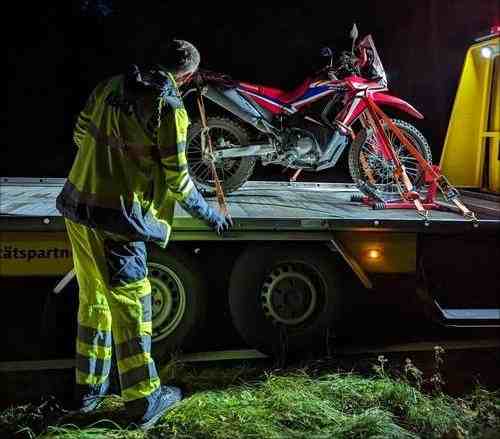
Eventually, preparation ends and reality begins. When your motorcycle is already broken down, priorities change.
First Things First: Safety Comes Before Repairs
Before touching the bike, focus on safety:
- Move off the roadway if possible
- Turn off the engine and electrical systems
- Make yourself visible to other traffic
- Take a moment to calm down
Many bad decisions happen in the first five minutes after a breakdown. Staying calm is not optional—it’s essential.
Small Problems You Can Fix Yourself
Not every roadside issue requires professional help. Some common problems can be handled with basic tools and patience:
- Loose battery terminals
- Chain adjustments
- Minor electrical connection issues
- Simple puncture repairs (if equipped)
The key skill is knowing your limits. If a repair attempt increases the risk of further damage, it’s time to stop.
When to Stop Trying and Call for Help
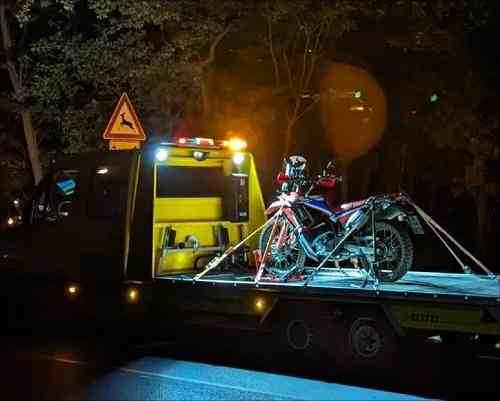
Pride can be expensive during long-distance motorcycle travel.
If the bike won’t start, leaks fluids, makes severe mechanical noises, or requires disassembly beyond your comfort level, calling for help is the smart choice. Roadside assistance, local repair shops, or even help from passing riders can save you time, money, and injury.
Traveling on a motorcycle long distance is not about proving toughness—it’s about making it home safely.
A Real Breakdown Experience From My Long-Distance Motorcycle Trip
During a long-distance cycling trip away from the town, my motorcycle suddenly lost power. I couldn’t ride it. It was around 4:00 PM and there was no one for tens of kilometers in front and behind. So I had to wait.
Finally, a local truck driver stopped. Due to the limited tools and language barriers, we managed to drag the motorcycle to a small repair shop on the roadside. Later, it was discovered that the problem was – I didn’t do a proper maintenance check. The chain wore out and failed to maintain its grip, which meant that my pre-trip motorcycle inspection was not thorough.
That experience completely changed my attitude towards long-distance travel. Flexibility is more important than planning, patience is more important than speed, and there is no shame in seeking assistance; it is simply part of the adventure. Long-distance motorcycle travel is no picnic, and it is a function of adapting to what kind of problems you can expect and then deciding to move forward another day.
This Is Part of the Ride

Whether it is a person’s solo long-distance or a team of people traveling a long distance, motorcycle breakdowns are not strange things in long journeys-this is one reality that every rider must be aware of.
A great number of accidents may be avoided if a good check is made before departure; besides, the possibility of vehicles breaking down will also be reduced. In case of an accident and vehicle damage, if possible, handle it calmly and try to repair it yourself; if not, seek professional assistance.
And if one day your motorcycle breaks down on the road, remember this: The journey is not over. It just requires you to ride in a different way.